From Naval Officer to Healer
The Man Who Systematized Reiki
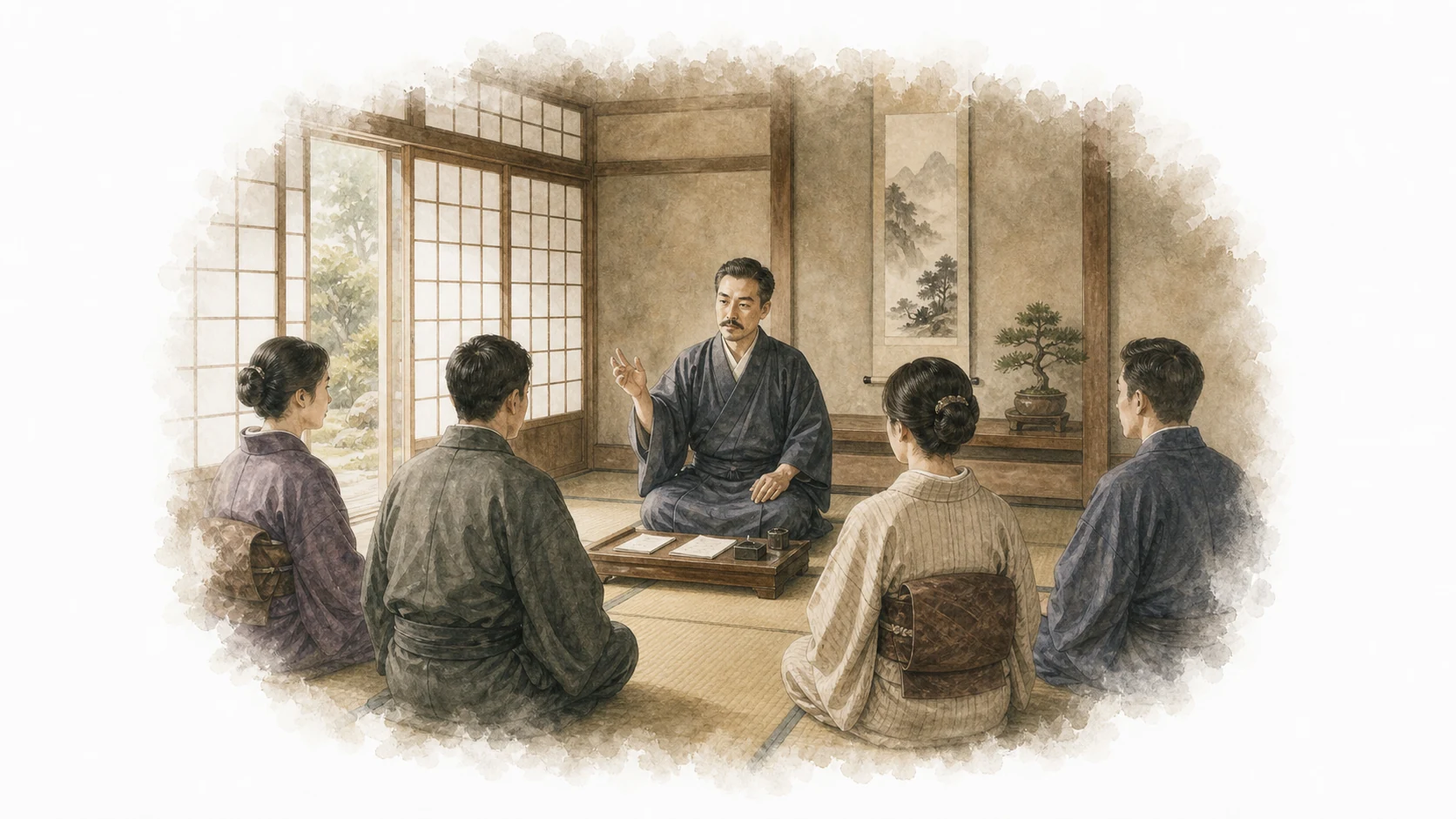
Chujiro Hayashi was a practical man. He spent his career in the navy, where structure and discipline were everything. When he encountered Reiki, he brought that same practical mind to the practice.
Usui's teaching was informal. He taught students, but there was no standardized curriculum. Hayashi changed that. He created a system. He wrote a manual. He established a clinic with fixed hand positions and protocols.
It was Hayashi's systematization that made Reiki transmissible. Without him, Reiki might have remained a small Japanese practice. With him, it had a structure that could be taught, repeated, and spread.
The Hayashi Lineage
How Reiki passed from Usui through Hayashi to Takata and the West.
Mikao Usui
Founder. Trained Hayashi in 1925. Died 1926.
Chujiro Hayashi
Successor. Systematized Reiki. Opened clinic. Trained Takata in 1935. Died 1940.
Hawayo Takata
Brought Reiki to West. Trained 22 masters. Died 1980.
Western Reiki
Multiple lineages from Takata's 22 masters. Spread worldwide.
Hayashi's Life Timeline
- Chujiro Hayashi born in Japan.Grew up in the Meiji era of rapid Westernization.
- Serves as a naval officer. Reaches rank of captain.Brings discipline and organizational skills to Reiki later.
- Receives Reiki training from Mikao Usui. Becomes a master.Direct transmission from the founder.
- Usui dies. Hayashi becomes a primary carrier of the lineage.Ensures Reiki continues.
- Opens Reiki clinic in Tokyo. Systematizes hand positions and teaching.Creates a transmissible system.
- Trains Hawayo Takata. She becomes a Reiki master.Bridges Japan and the West.
- Hayashi dies (reportedly by suicide).Takata carries the lineage forward alone.
Professionalizing Reiki
Hayashi's Reiki Clinic in Tokyo
Hayashi opened a Reiki clinic in Tokyo. It was a formal practice. Patients came for scheduled appointments. Practitioners used standardized hand positions.
The clinic was efficient. Patients received treatment, then returned home. This was different from Usui's more informal teaching and healing style.
The clinic also trained practitioners. Hayashi's students learned the standardized system. Many of them went on to teach others. The clinic was a training center as well as a healing center.
The Student Who Changed History
How Hayashi Trained Hawayo Takata
In 1935, a Japanese-American woman named Hawayo Takata came to Japan for medical treatment. She was suffering from serious health problems, including tumors and gallstones.
Doctors recommended surgery. But Takata wanted to try Reiki. She received treatment at Hayashi's clinic. She healed. She asked to learn Reiki. Hayashi trained her, making her a Reiki master.
Takata returned to Hawaii and began teaching Reiki. She eventually trained 22 masters. Those masters spread Reiki across North America and the world. Hayashi's decision to train Takata changed Reiki history.
Hayashi was the architect. Usui had the vision. Hayashi built the structure. Without Hayashi, Reiki might have remained a small Japanese practice. With him, it became a global system.
Key takeaways
The shortest useful version of this page.
Chujiro Hayashi was a Japanese naval officer who became a Reiki master under Mikao Usui.
After Usui's death, Hayashi became the primary carrier of the lineage to the West.
He systematized Reiki: standardized hand positions, wrote a manual, opened a clinic.
In 1935, he trained Hawayo Takata, who brought Reiki to the West.
Hayashi died in 1940. His lineage, through Takata, is the source of most Western Reiki.
Frequently asked questions
Did Hayashi change Usui's Reiki?
Yes. He added structure, standardized hand positions, and created a clinic. Western Reiki is largely Hayashi's version, not Usui's original.
How did Hayashi die?
Reports vary. Some sources say he died by suicide in 1940. The circumstances are not fully known.
Did Hayashi have a clinic?
Yes. He opened a Reiki clinic in Tokyo, which operated for several years.
Is there a Hayashi lineage separate from Takata?
Hayashi trained other masters besides Takata. Some of those lineages continue in Japan, though they are less known in the West.
Why is Hayashi important to Reiki history?
He systematized Reiki, making it transmissible. He trained Takata, who brought Reiki to the West. Without Hayashi, Reiki might not have spread globally.
Sources
Sources are listed for transparency. A citation supports only the claim it directly addresses. Prefer primary research, systematic reviews, government health agencies and official institutional pages when evaluating health-related statements.
- Frank Arjava Petter, Reiki Fire, 1997.
- Bronwen and Frans Stiene, The Reiki Sourcebook, 2003.
- Hawayo Takata's teachings and records.
- Japanese historical research on Hayashi.
Found a broken source or unsupported claim? Report a correction .