A Japanese Life
Hayashi's Japanese Background and Cultural Context
Chujiro Hayashi was Japanese. This may seem obvious, but it is worth stating clearly. He was born in Japan in 1880, during the Meiji period, a time of rapid Westernization and modernization.
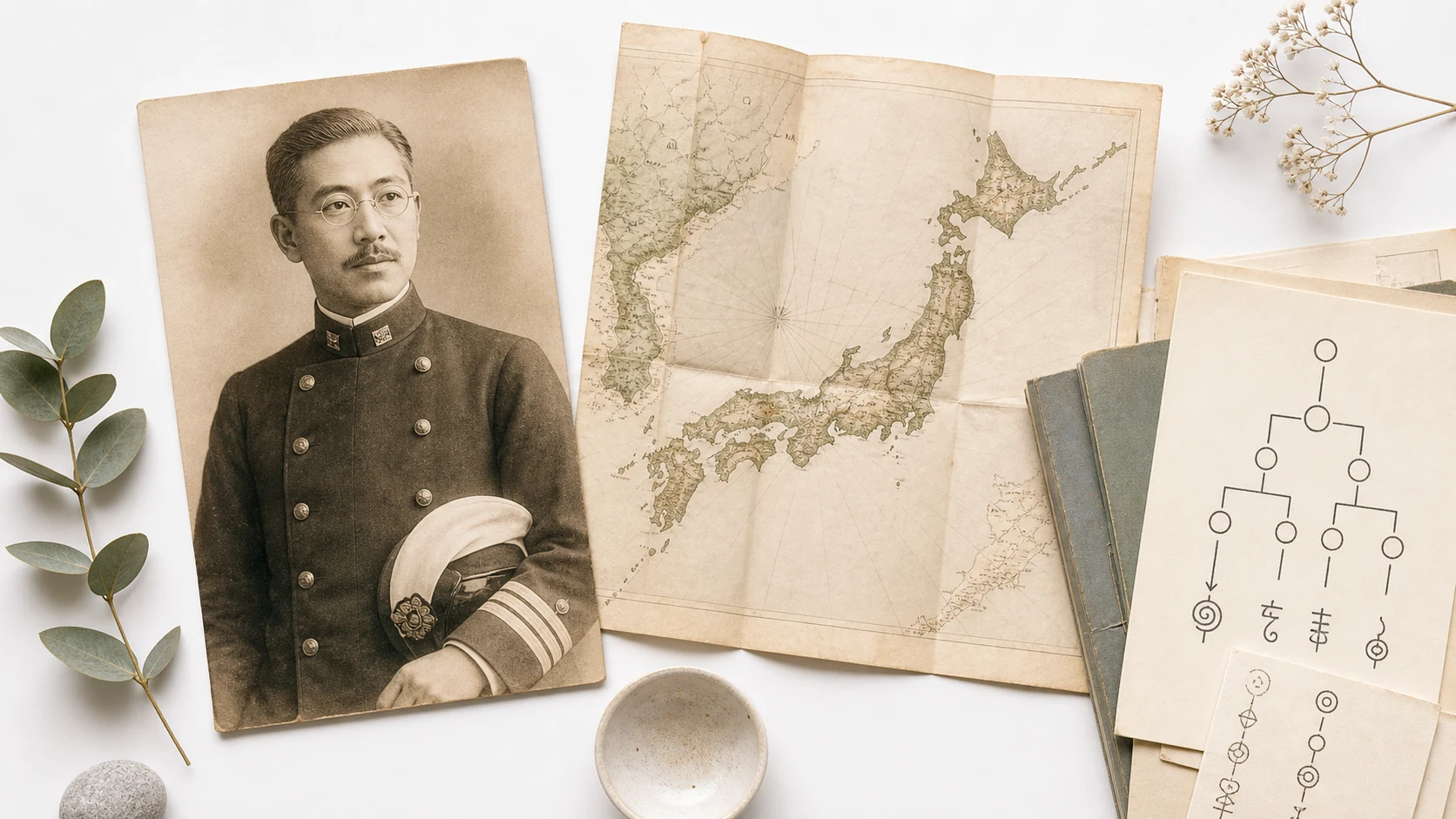
He served as a naval officer in the Imperial Japanese Navy, reaching the rank of captain. The navy was a prestigious and disciplined institution, reflecting traditional Japanese values of duty, honor, and hierarchy.
After leaving the navy, he studied Reiki with Mikao Usui, who was also Japanese. Hayashi practiced Reiki within a Japanese cultural and spiritual context, drawing on Buddhist and Shinto concepts of energy, healing, and spirituality.
Hayashi's Japanese Context
The cultural and historical context of Hayashi's life.
Japanese Culture
Born and raised in Japan. Native language and cultural norms.
Imperial Navy
Naval officer. Discipline, hierarchy, duty, organization.
Meiji Period
Era of rapid Westernization and modernization. Hayashi lived through this transformation.
Buddhist/Shinto
Spiritual context. Concepts of ki, energy, healing.
Reiki
Hayashi became a Reiki master, systematized the practice, opened a clinic.
Hayashi's Japanese Life Timeline
- Born in Japan during the Meiji period.Grew up in a time of transformation from feudal to modern Japan.
- Serves in Imperial Japanese Navy. Reaches rank of captain.Embraces discipline, hierarchy, and organization.
- Trains with Mikao Usui, becoming a Reiki master.Continues Japanese Reiki lineage.
- Opens Reiki clinic in Tokyo. Systematizes Reiki practice.Creates a Japanese-style healing practice.
- Trains Hawayo Takata, a Japanese-American.Reiki begins to cross cultural boundaries.
Buddhist and Shinto Roots
The Japanese Spiritual Context of Hayashi's Reiki
Reiki emerged from Japanese Buddhist and Shinto contexts. The concept of ki (life energy) is central to both traditions. The hand positions and healing approach reflect Japanese energy practices.
Hayashi operated entirely within this context. He did not introduce Western elements. He systematized the existing Japanese practice.
The Reiki that Hayashi taught Takata was Japanese Reiki. It became Westernized later, after Takata brought it to Hawaii and North America. Hayashi's Reiki was authentically Japanese.
Common Misconceptions About Hayashi
Hayashi was not Japanese; he was from another Asian country.
Hayashi was Japanese. He was born in Japan, served in the Japanese navy, and lived in Tokyo.
Hayashi was a Buddhist monk.
He was a naval officer and lay practitioner, not a monk.
Hayashi Westernized Reiki.
He systematized Reiki using Japanese military discipline. The Westernization came later with Takata.
Hayashi's Reiki is the same as Usui's.
Hayashi modified and systematized Usui's teachings. Western Reiki is largely Hayashi's version.
Key takeaways
The shortest useful version of this page.
Chujiro Hayashi was Japanese. He was born in Japan, served in the Japanese navy, and lived in Tokyo.
His Japanese background shaped his approach to Reiki: disciplined, systematized, and practical.
He operated within Japanese Buddhist and Shinto spiritual contexts.
He was trained by Mikao Usui (also Japanese) and continued the Japanese Reiki lineage.
His systematization of Reiki made it transmissible. This was a Japanese systematization, not a Western one.
Frequently asked questions
Was Chujiro Hayashi Chinese?
No. He was Japanese. He was born in Japan and served in the Imperial Japanese Navy.
Did Hayashi speak English?
There is no record of Hayashi speaking English. He conducted his Reiki practice in Japanese. His student Hawayo Takata, who was Japanese-American, translated for Western audiences later.
Did Hayashi ever leave Japan?
There is no record of Hayashi traveling outside Japan. He lived and taught in Tokyo. His student Takata brought Reiki to the West.
Was Hayashi influenced by Western culture?
He lived during the Meiji period, when Japan was rapidly Westernizing. His naval career exposed him to Western military organization. But his Reiki practice remained culturally Japanese.
Is Hayashi's Japanese ethnicity important to Reiki?
Understanding that Hayashi was Japanese helps understand his cultural and spiritual context. Reiki emerged from Japan. Hayashi was part of that original culture.
Sources
Sources are listed for transparency. A citation supports only the claim it directly addresses. Prefer primary research, systematic reviews, government health agencies and official institutional pages when evaluating health-related statements.
- Frank Arjava Petter, Reiki Fire, 1997.
- Bronwen and Frans Stiene, The Reiki Sourcebook, 2003.
- Japanese historical records of Hayashi's naval career.
Found a broken source or unsupported claim? Report a correction .