Buddhist But Not a Monk
The Distinction That Changes Everything
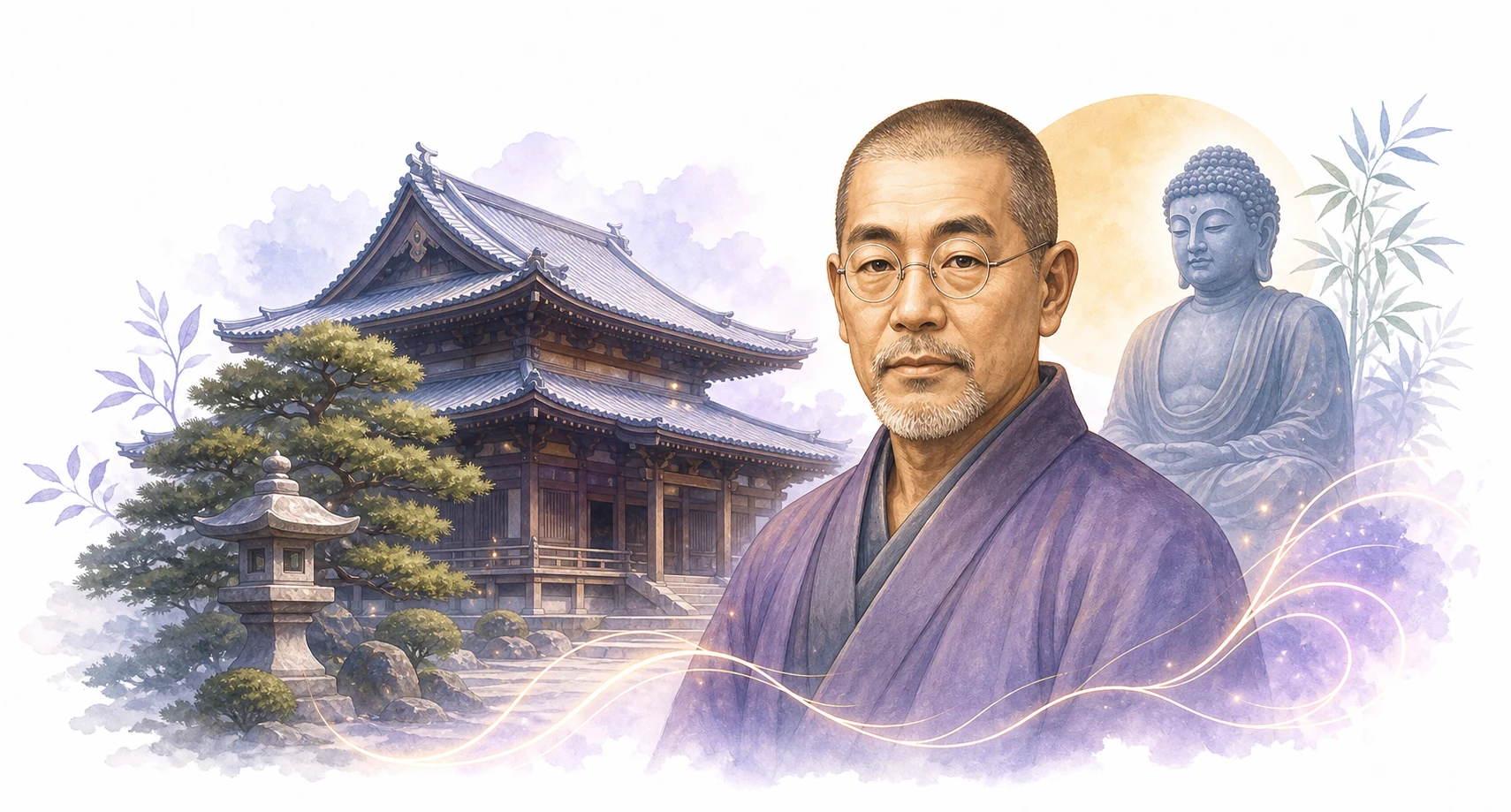
Let us be precise. Usui was a Buddhist. He practiced Tendai Buddhism, studied sutras, meditated, and undertook spiritual retreats including the famous twenty-one day fast on Mount Kurama.
But he was not a monk. He never underwent ordination. He never took vows of celibacy, poverty, or renunciation. He married. He had children. He worked for a living.
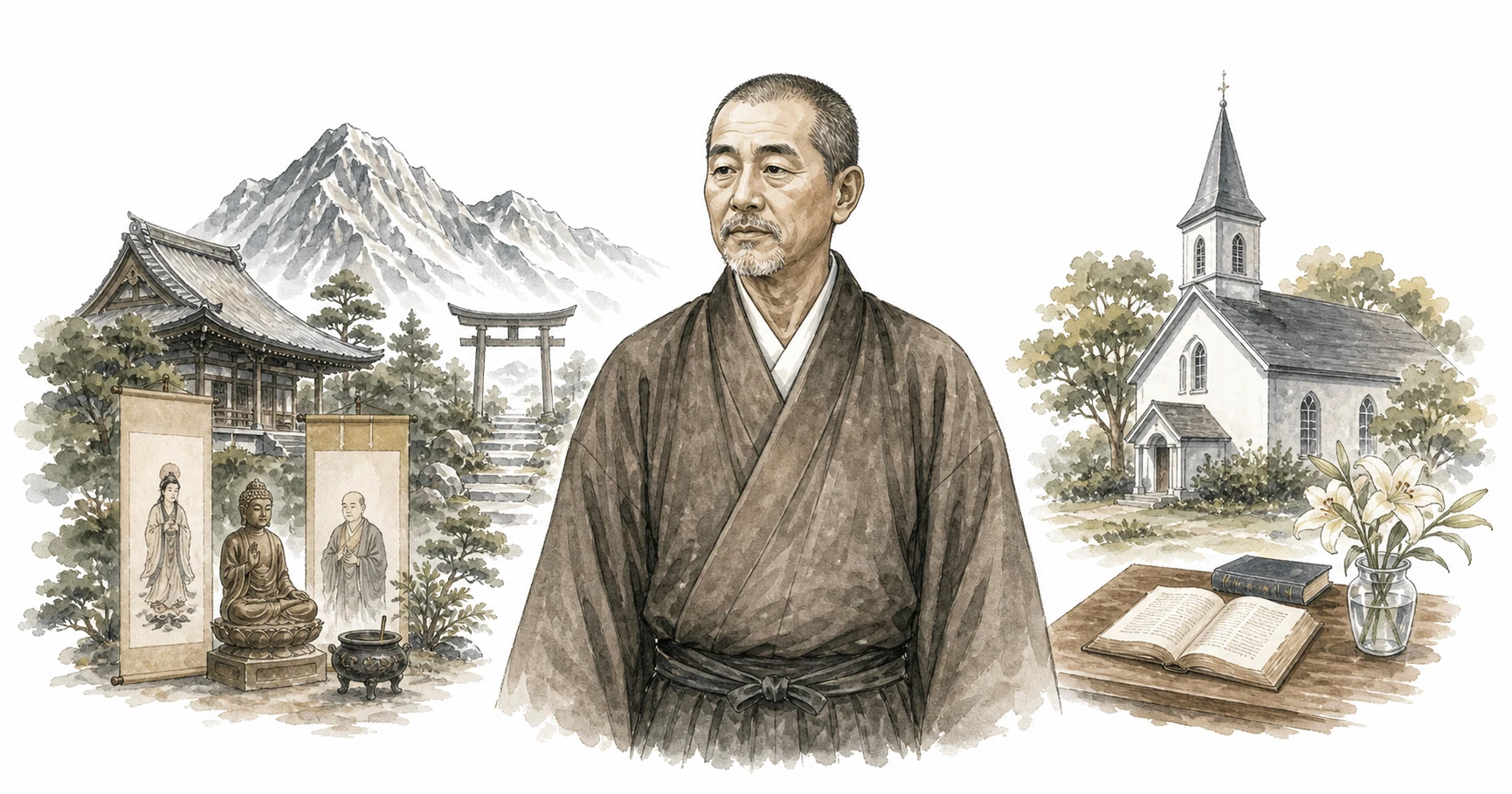
Why does this matter? Because if Usui had been a monk, his model for spiritual life would be renunciation. But he was not a monk. His model is integration. He practiced intensely while remaining embedded in ordinary life.
Lay vs Monastic Buddhist
The distinction between Usui and a Buddhist monk.
Lay Practitioner
Married. Children. Ordinary clothing. Lives in community. Works for living. Follows five precepts.
Monk
Celibate. No personal property. Monastic robes. Lives in monastery. Supported by lay donations. Follows 227+ precepts.
Mikao Usui
Lay practitioner. Married with children. Ordinary clothing. Worked as a healer. Model for Reiki.
The Path Most Traveled
What Lay Buddhists Do
In popular Western imagination, Buddhism equals monks. But throughout Buddhist history, the vast majority of Buddhists have been lay people.
Lay Buddhists typically take the Five Precepts. They meditate. They study scriptures. They practice. They also marry, work, raise children, and pay taxes.
Usui fit this pattern perfectly. He was a serious lay practitioner who integrated Buddhist practice into a householder's life.
The Western Blind Spot
Why Westerners Thought Usui Was a Monk
The West has a category problem with Buddhism. For most of Western history, Buddhism was encountered through travelers' accounts of monks.
When Westerners thought 'Buddhist,' they thought 'monk.' The lay Buddhist majority was invisible.
Hawayo Takata inherited this category confusion. She called Usui a Buddhist monk because she lacked the vocabulary to explain lay Buddhist practice.
His personality was gentle and humble. He never displayed arrogance.
Key takeaways
The shortest useful version of this page.
Mikao Usui was Buddhist but not a monk.
He was a Tendai Buddhist lay practitioner.
He was married with children and lived as a householder.
The monk myth comes from Western misunderstanding of Japanese Buddhism.
Usui's lay status is central to Reiki's accessibility.
You do not need to be a monk to practice Reiki.
Frequently asked questions
Was Usui a Buddhist monk?
No. He was a Buddhist lay practitioner. He was married with children and never took monastic vows.
Was Usui Buddhist?
Yes. He was a Tendai Buddhist lay practitioner.
Did Usui live in a monastery?
No. He lived in ordinary housing with his family.
Why do people think Usui was a monk?
Western misunderstanding of Japanese Buddhism. The lay Buddhist majority was invisible to Westerners.
Does it matter that Usui was not a monk?
Yes. It shows that Reiki is for ordinary people, not just monastics.
Sources
Sources are listed for transparency. A citation supports only the claim it directly addresses. Prefer primary research, systematic reviews, government health agencies and official institutional pages when evaluating health-related statements.
- Usui Memorial Stone, Saihoji Temple, Tokyo.
- Frank Arjava Petter, Reiki Fire, 1997.
- Bronwen and Frans Stiene, The Reiki Sourcebook, 2003.
Found a broken source or unsupported claim? Report a correction .