Who He Really Was
Beyond the Title: The Real Mikao Usui
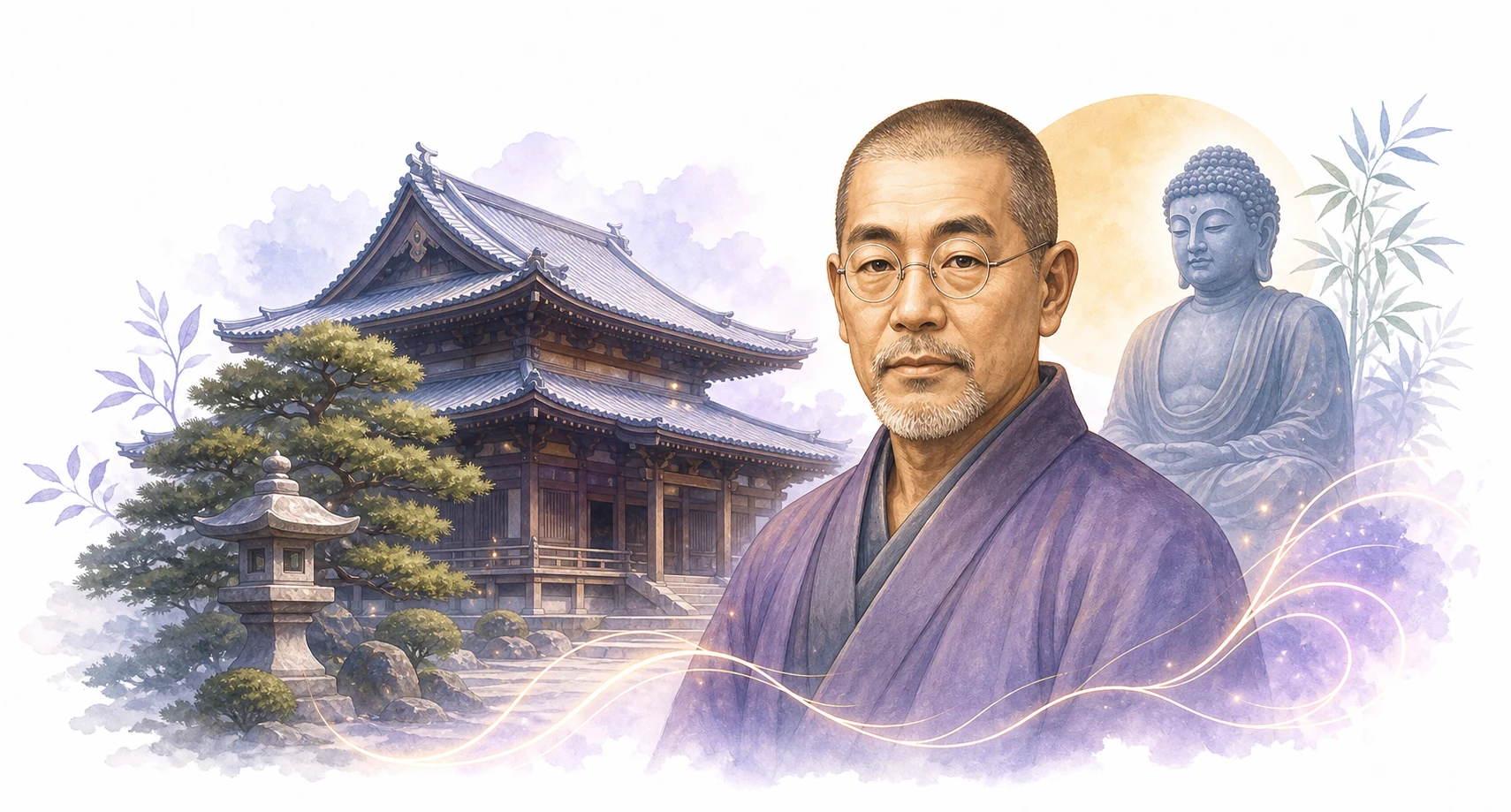
Mikao Usui was born in 1865 in the small mountain village of Taniai in Gifu Prefecture. His family was Buddhist, with roots in the samurai class, and he was educated in the rigorous classical tradition of Meiji-era Japan. By the time he was an adult, he had read widely across Buddhist scriptures, Christian theology, Taoist philosophy, and Western medicine.
He never held a doctorate. The 'Dr' prefix was introduced into Western Reiki teaching by Hawayo Takata, who presented Usui to American audiences in the 1970s as a Christian-educated academic. The intention was good. She wanted Reiki to be taken seriously in a culture that respected academic credentials. But the fabricated doctorate has caused no end of confusion.
The real Usui was, if anything, more interesting than the legend. He was a man who held several quite ordinary jobs, civil servant, newspaper reporter, business operator, while conducting an extraordinarily ambitious private intellectual and spiritual search. He was a Buddhist who studied Christianity. A layman who read the most advanced Sanskrit sutras. A practical man who kept asking impractical questions until one of them opened a door.
Usui's Intellectual Formation
The traditions, texts, and disciplines that shaped Mikao Usui and fed into his development of Reiki.
Tendai Buddhism
Usui's primary spiritual tradition. Emphasised esoteric practice, mantras, and healing.
Sanskrit Texts
He reportedly read original Sanskrit sutras, rare for a Japanese practitioner of his era.
Western Medicine
Studied Western anatomy and medical thought during the Meiji period of rapid Westernisation.
Shinto Practice
Mount Kurama's Shinto-Buddhist syncretic tradition deeply influenced his spiritual framework.
Usui's Life at a Glance
- Born in Taniai, Gifu Prefecture, into a Buddhist-samurai family.His heritage gave him both rigorous discipline and a natural spiritual orientation.
- Works in various professional roles. Studies widely across multiple disciplines.Established the broad intellectual foundation that fed into Reiki's development.
- Retreats to Mount Kurama. Has spiritual awakening. Founds Usui Reiki Ryoho Gakkai.The central event of his life. The transformation of a seeker into a teacher.
- Responds to the Great Kanto Earthquake by treating thousands of survivors.Demonstrated Reiki's practical humanitarian application on a large scale.
- Trains senior Masters including Chujiro Hayashi. Health begins to decline.Secures the continuation of his system before his death.
- Dies of a stroke in Fukuyama, Hiroshima, aged 60.Left a fully formed, transmissible system with trained successors.
Setting the Record Straight
Was Mikao Usui a Doctor?
The short answer is no. Mikao Usui was not a medical doctor, and he did not hold an academic doctorate. The University of Chicago, specifically cited in Takata's Western account as the institution that granted Usui his PhD, has confirmed on multiple occasions that it has no record of Usui as a student or graduate.
The title was introduced by Hawayo Takata, the Hawaiian woman who brought Reiki to the Western world after the Second World War. She presented Usui as a Christian-educated academic because this was, in her assessment, the framing most likely to earn Reiki respect in American society. In retrospect, it was a well-intentioned mistake. The fabricated credentials have been a persistent source of confusion and unnecessary debunking in Reiki history.
What Usui actually was, a deeply educated, spiritually serious, practically humble man who developed a genuinely useful healing system, is entirely sufficient. He required no borrowed credentials. The system speaks for itself.
Character and Daily Life
The Man Behind the Legend
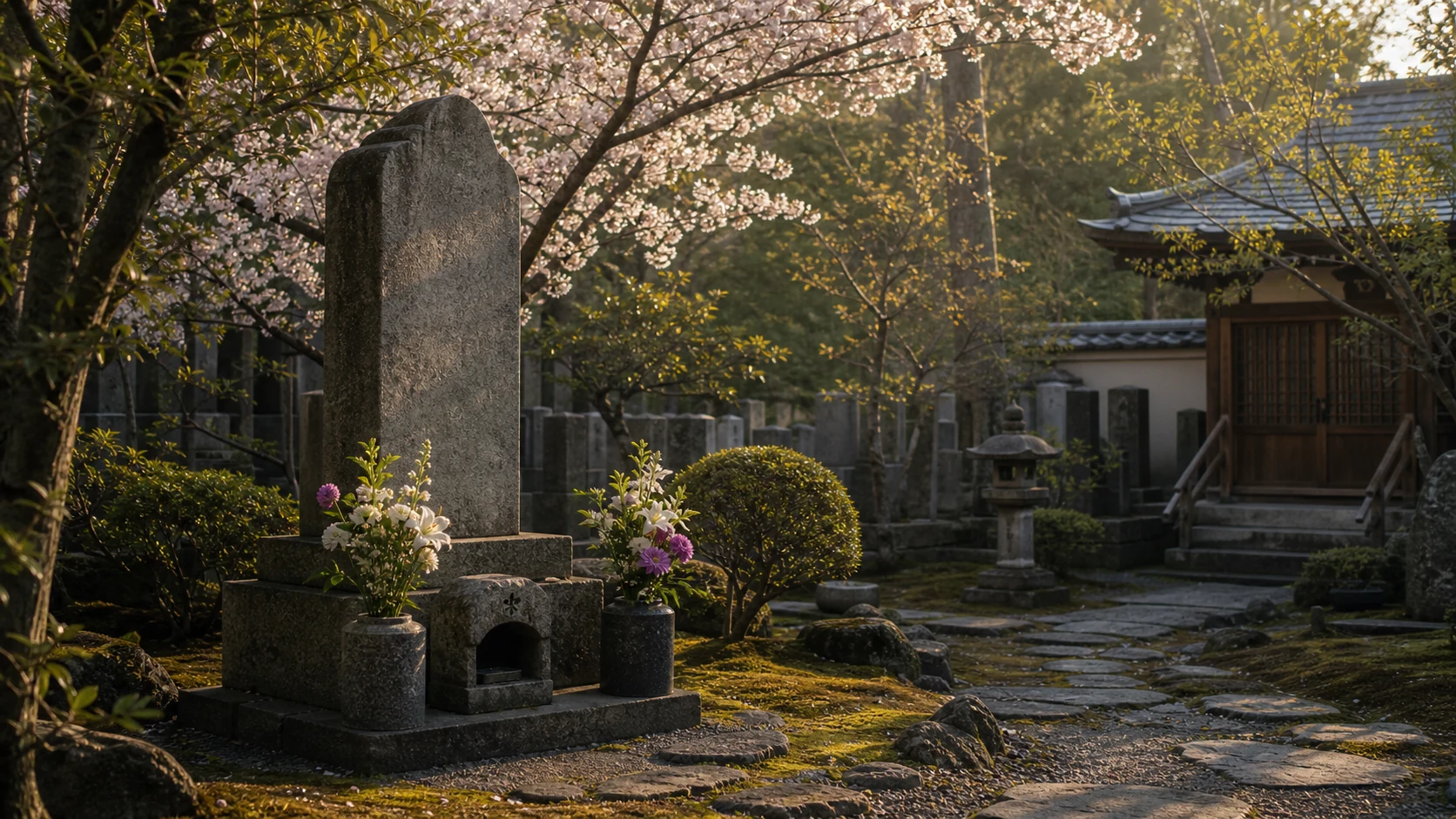
The most reliable portrait of Usui comes from the memorial stone erected by his students at Saihoji Temple after his death. Written in classical Japanese and translated by several scholars, it describes a man who was 'gentle and humble, never arrogant' despite the fame that came to him after the 1923 earthquake. It describes him as deeply accessible to ordinary people, as someone who took particular care to treat those who could not afford to pay.
He was, by all accounts, a devoted family man. He was married and had children. He was not a renunciant monk but a householder who maintained ordinary domestic life while pursuing extraordinary spiritual practice. A combination that many in the Reiki world consider one of the most important aspects of his model.
Contemporary students recalled him as a teacher who emphasised practice over theory, experience over doctrine. He discouraged his students from becoming dependent on him as a personality and insisted that Reiki was something they carried within themselves once attuned, not something dispensed by an authority.
The Real Usui vs The Legend
Usui held a doctorate from the University of Chicago.
The university has no record of him. The doctorate story was created by Hawayo Takata and has been thoroughly disproved by historical research.
Usui was a Christian who rediscovered healing through biblical scholarship.
Japanese records consistently show Usui as a Buddhist practitioner. He may have studied Christian texts as part of his broad research, but he was not a Christian.
Usui was a mysterious, otherworldly figure who rarely appeared in public.
After the 1923 earthquake, Usui was well known in Tokyo healing circles. He gave public lectures and operated an accessible healing practice.
The 'Dr' title is honorary and reflects his deep knowledge of medicine.
It is simply a title added to lend Western credibility. Usui himself never used it. The title was not in use in Japanese Reiki circles.
The People Usui Shaped
Chujiro Hayashi
Senior Master, Western lineage bearerNaval officer trained by Usui in 1925. Opened the first formal Reiki clinic and later trained Takata.
Hawayo Takata
First Western Reiki MasterTrained by Hayashi, not directly by Usui. But the chain is direct: Usui to Hayashi to Takata.
Toshihiro Eguchi
Senior student, Te-Ate practitionerA close student who later developed his own laying-on-of-hands practice derived from Usui's teaching.
Usui Reiki Ryoho Gakkai
Institutional lineageThe school Usui founded still exists in Japan and has passed leadership through an unbroken succession of presidents.
His personality was gentle and humble. He never displayed arrogance. His physique was large and sturdy. He always wore a faint smile on his face.
Key takeaways
The shortest useful version of this page.
Mikao Usui was not a medical doctor and did not hold an academic doctorate.
The 'Dr' title was added by Hawayo Takata to make Reiki more credible to Western audiences.
Usui was a widely educated Japanese Buddhist layman with an extraordinary breadth of intellectual interest.
His students described him as humble, warm, and deeply accessible, not a distant spiritual authority.
The historical Usui is, if anything, a more compelling figure than the legendary version.
Frequently asked questions
If he was not a doctor, why do so many Reiki books call him 'Dr Usui'?
The title was embedded in the Western Reiki tradition by Hawayo Takata's teaching in the 1970s. By the time historical research revealed it was inaccurate, the title had already appeared in hundreds of books. Most modern Reiki historians now omit it.
Does the 'Dr' controversy affect Reiki's validity?
Not at all. The effectiveness of Reiki, to the extent it is effective, depends on the practice itself, not on Usui's academic credentials. The controversy is purely historical and concerns the accuracy of the origin story, not the method.
Was Usui part of any professional healing guild in Japan?
Not in the biomedical sense. He founded his own organisation, the Usui Reiki Ryoho Gakkai, and operated within Japanese traditional healing contexts. In Meiji and Taisho Japan, spiritual healers occupied a recognised though informal social role.
Where can I find primary sources about Usui?
The most important primary source is the memorial stone at Saihoji Temple in Suginami, Tokyo. Translations by Hyakuten Inamoto and Frank Arjava Petter are widely available. Petter's book Reiki Fire (1997) was the first major Western work to examine Japanese sources directly.
Sources
Sources are listed for transparency. A citation supports only the claim it directly addresses. Prefer primary research, systematic reviews, government health agencies and official institutional pages when evaluating health-related statements.
- Usui Memorial Stone, Saihoji Temple, Tokyo (trans. Hyakuten Inamoto)
- Frank Arjava Petter, Reiki Fire, 1997.
- Bronwen and Frans Stiene, The Reiki Sourcebook, 2003.
- William Lee Rand, Reiki research at the International Center for Reiki Training.
- University of Chicago, official response to researcher inquiries regarding Usui enrollment.
Found a broken source or unsupported claim? Report a correction .