The Source of Reiki Energy
Theological, Spiritual, and Secular Perspectives
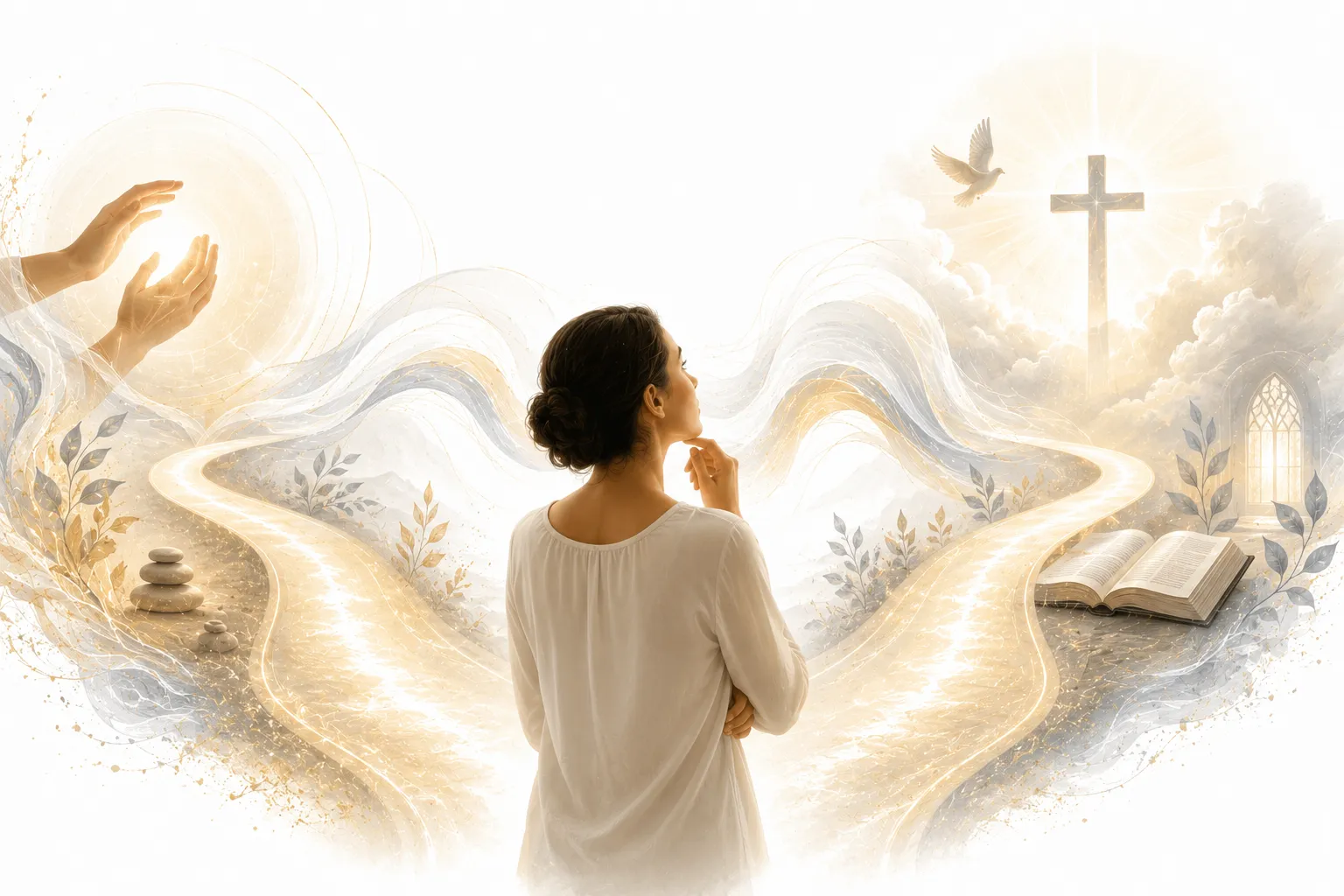
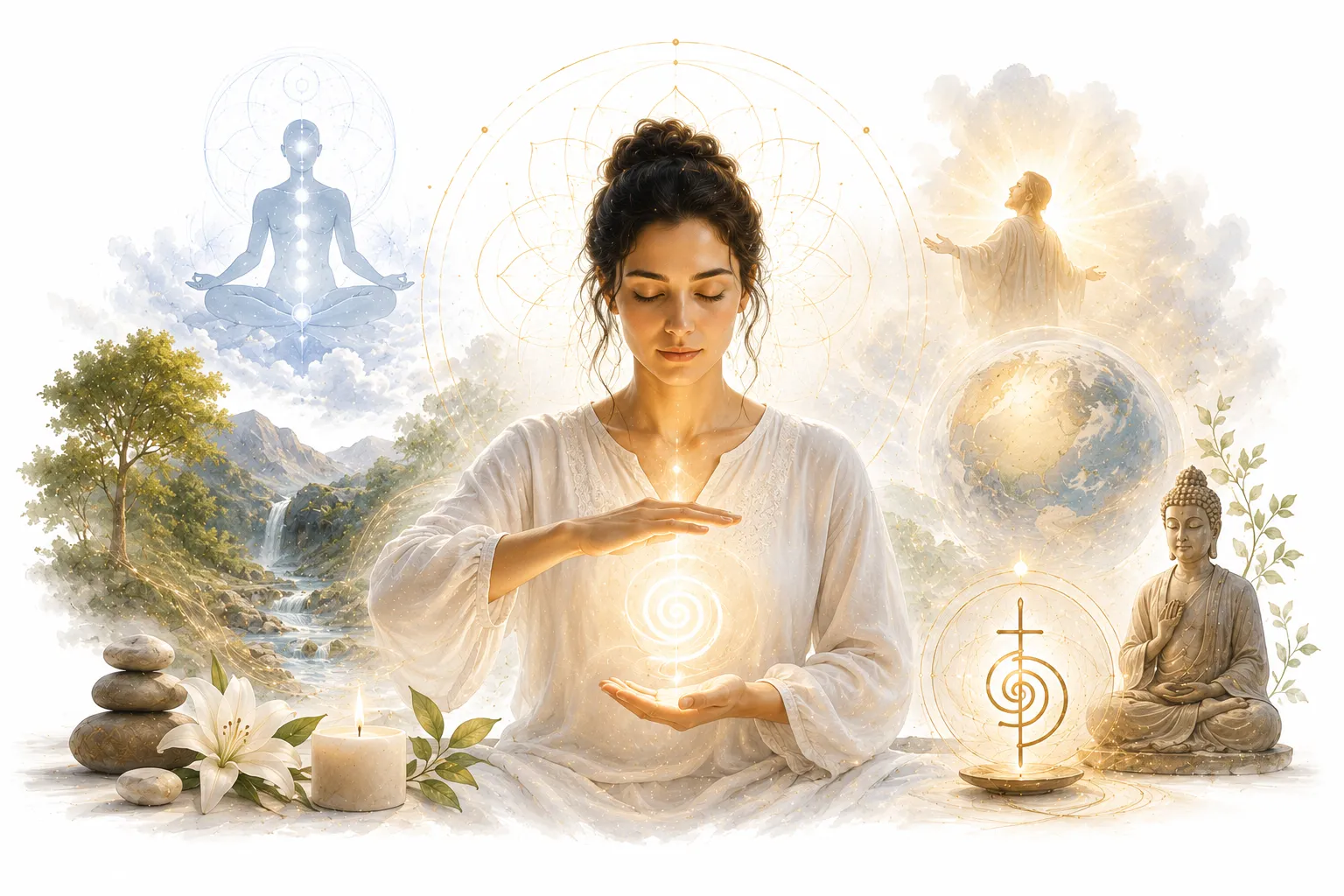
Reiki practitioners often say that Reiki comes from 'the universe' or 'the divine.' These terms are intentionally broad. They allow people of different beliefs to practice Reiki without conflict.
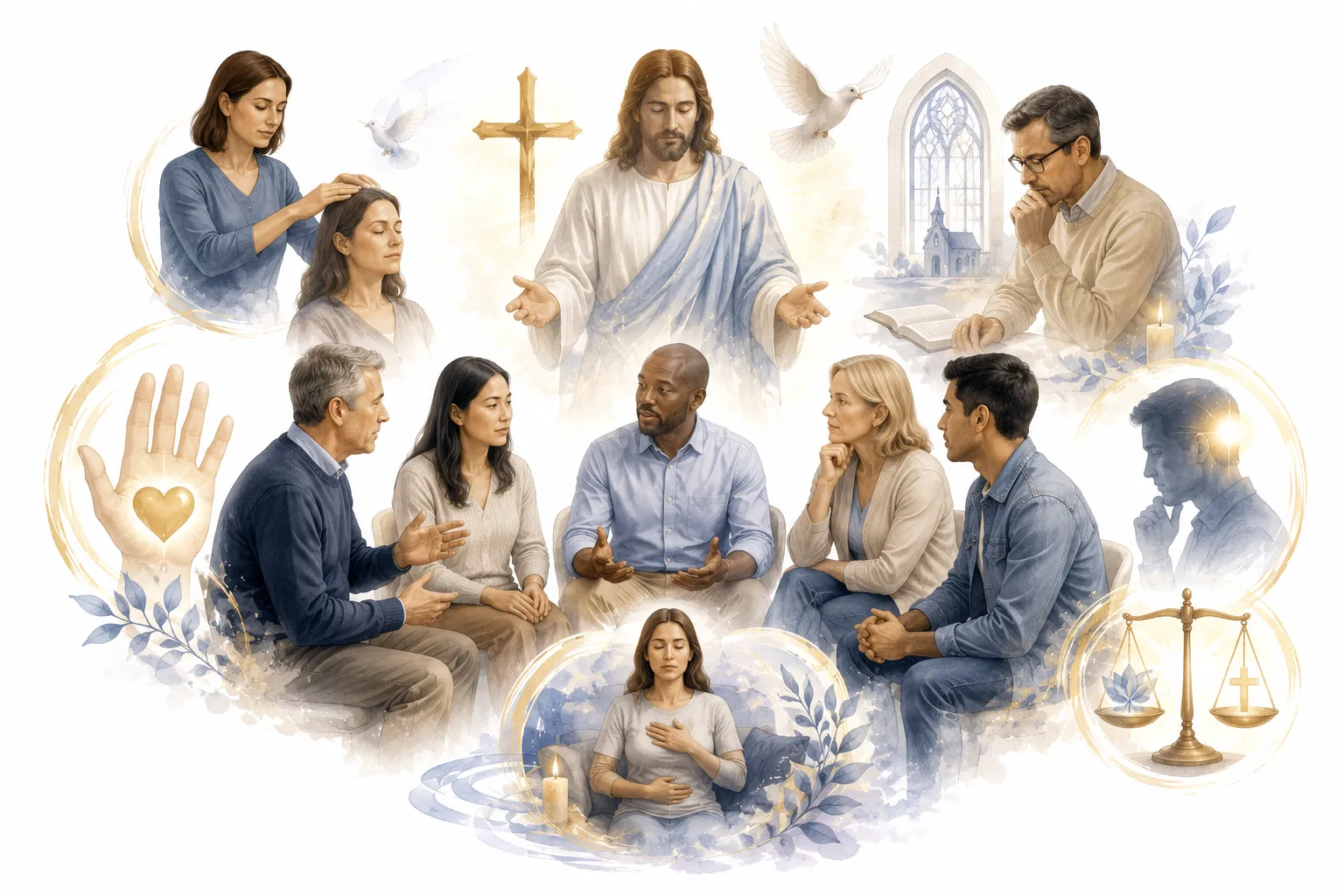
For people of faith, 'the divine' means God. Reiki energy is God's energy, present throughout creation. Using Reiki is using the healing power that God has given.
For secular practitioners, 'the universe' means the natural order. Ki is a universal life energy, not connected to any deity. Reiki works through intention and energy flow, not divine intervention.
Both perspectives are valid. Reiki does not require a specific belief about its source. It works whether you believe it comes from God, the universe, or something else entirely.
Perspectives on the Source of Reiki
Different answers to 'where does Reiki come from?'
Faith Perspective
Reiki comes from God. God's life-giving energy. Healing from the divine.
Traditional Reiki
Reiki comes from 'the universe' or 'the divine.' Intentionally non-specific.
Secular Perspective
Reiki comes from universal life energy (ki). No deity required.
Reiki
Works regardless of your belief about the source. Intention matters more than theology.
For People of Faith
Why Many Believe Reiki Comes From God
People of faith look at Reiki and see God's hand. The healing, the peace, the relaxation, all are gifts from the divine.
They point to scripture. In Genesis, God breathes life into Adam. That breath is ruach, the spirit of God, the life force. Ki is the same energy, they say.
They see Reiki as a tool. The tool does not replace God. It honors God by using what God has given. Energy, life force, healing power, all come from the same source.
Christian Reiki practitioners often say: 'The power is not mine. It is God's. I am just a channel.'
For Non-Religious Practitioners
Why Many See Reiki as Natural Energy
Not everyone believes in God. That does not stop them from practicing Reiki. They see ki as a natural energy, like electricity or gravity.
From a secular perspective, Reiki works because it activates the relaxation response. It reduces stress. It calms the nervous system. No deity required.
They do not need to answer the source question. The energy is there. It works. That is enough. Beliefs about ultimate origins are irrelevant to practice.
Secular Reiki practitioners often say: 'I do not know where it comes from. I know it helps. That is what matters.'
What Traditional Reiki Says About the Source
Mikao Usui said he received Reiki from 'the universe' or 'the divine.' He did not specify a particular religion. He left it open. Reiki is for everyone, regardless of belief.
Reiki does not require a specific answer to the source question. It works for people of faith. It works for atheists. It works for agnostics. The energy does not discriminate. Your intention matters more than your theology.
Do not let theological debates prevent you from receiving healing. If Reiki helps you, receive it. If you need to understand Reiki as coming from God to feel comfortable, do that. If you need to understand it as natural energy, do that. Both are valid.
Key takeaways
The shortest useful version of this page.
Whether Reiki comes from God depends on your theological perspective.
People of faith often see ki as God's life-giving energy.
Secular practitioners see ki as impersonal universal energy.
Traditional Reiki says Reiki comes from 'the universe' or 'the divine.'
Reiki works regardless of your belief about its source.
Intention matters more than theology.
Frequently asked questions
Do I have to believe Reiki comes from God to practice it?
No. Reiki works for atheists, agnostics, and people of all faiths. No particular belief is required.
If I believe Reiki comes from God, does that make it more effective?
Effectiveness may vary by individual, but there is no evidence that belief about the source affects outcomes. Reiki works regardless.
Does Reiki replace God in my life?
No. Reiki is a practice, not a religion. It does not replace God. Many people of faith use Reiki as a tool, not a replacement.
What did Mikao Usui say about where Reiki comes from?
He said he received Reiki from 'the universe' or 'the divine.' He did not specify a particular conception of God.
Can I pray to God while practicing Reiki?
Yes. Many people of faith pray before, during, or after Reiki sessions. They ask God to heal through their hands and give thanks afterward.
Sources
Sources are listed for transparency. A citation supports only the claim it directly addresses. Prefer primary research, systematic reviews, government health agencies and official institutional pages when evaluating health-related statements.
- Frank Arjava Petter, Reiki Fire, 1997.
- Bronwen and Frans Stiene, The Reiki Sourcebook, 2003.
- Christian, Islamic, Jewish, and secular perspectives on energy healing.
Found a broken source or unsupported claim? Report a correction .