Trauma and the Body
How Reiki May Support Healing from Childhood Trauma
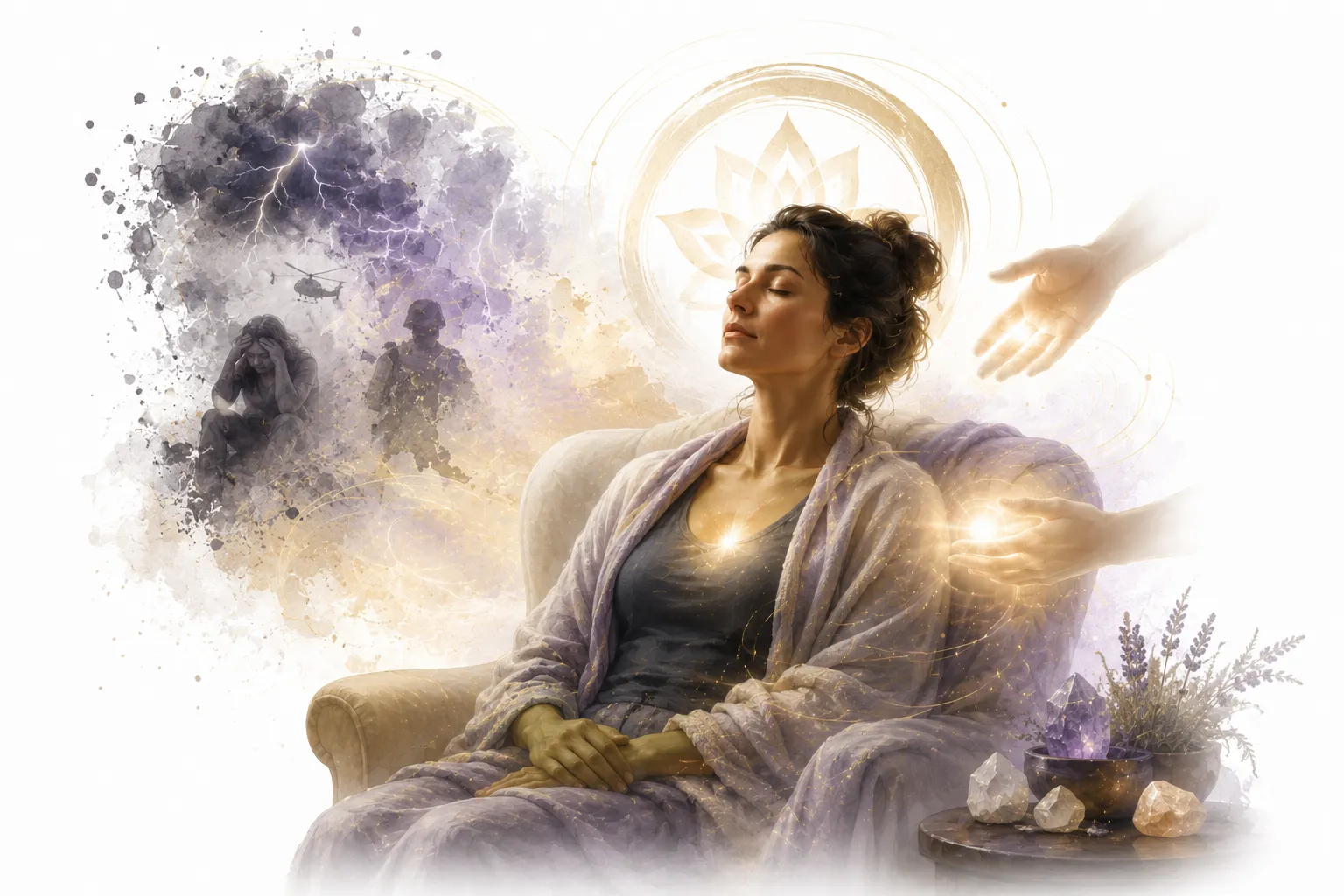
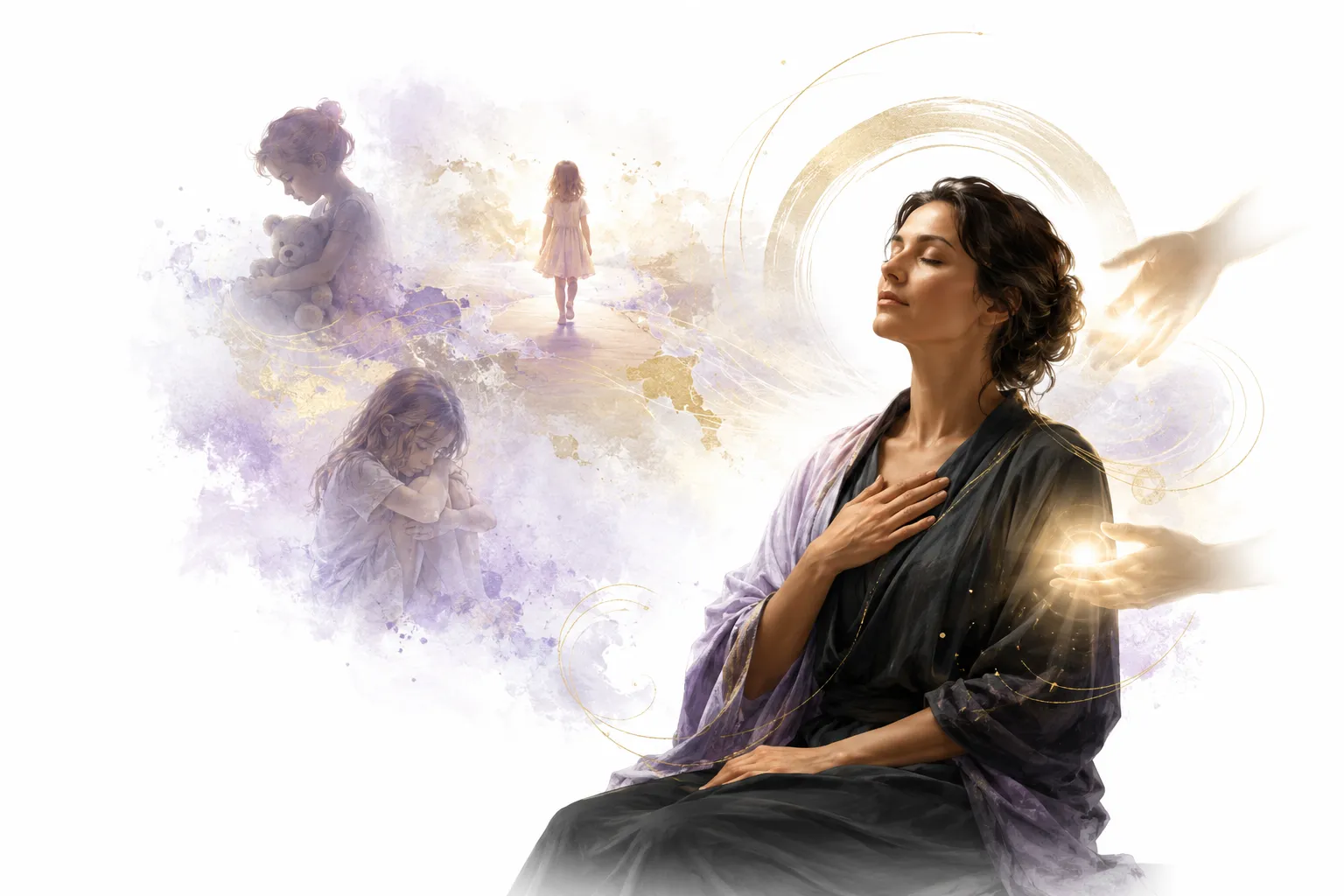
Childhood trauma changes the developing nervous system. The threat response becomes overactive. The world feels dangerous even when it is not. The body stays ready for an attack that never comes.
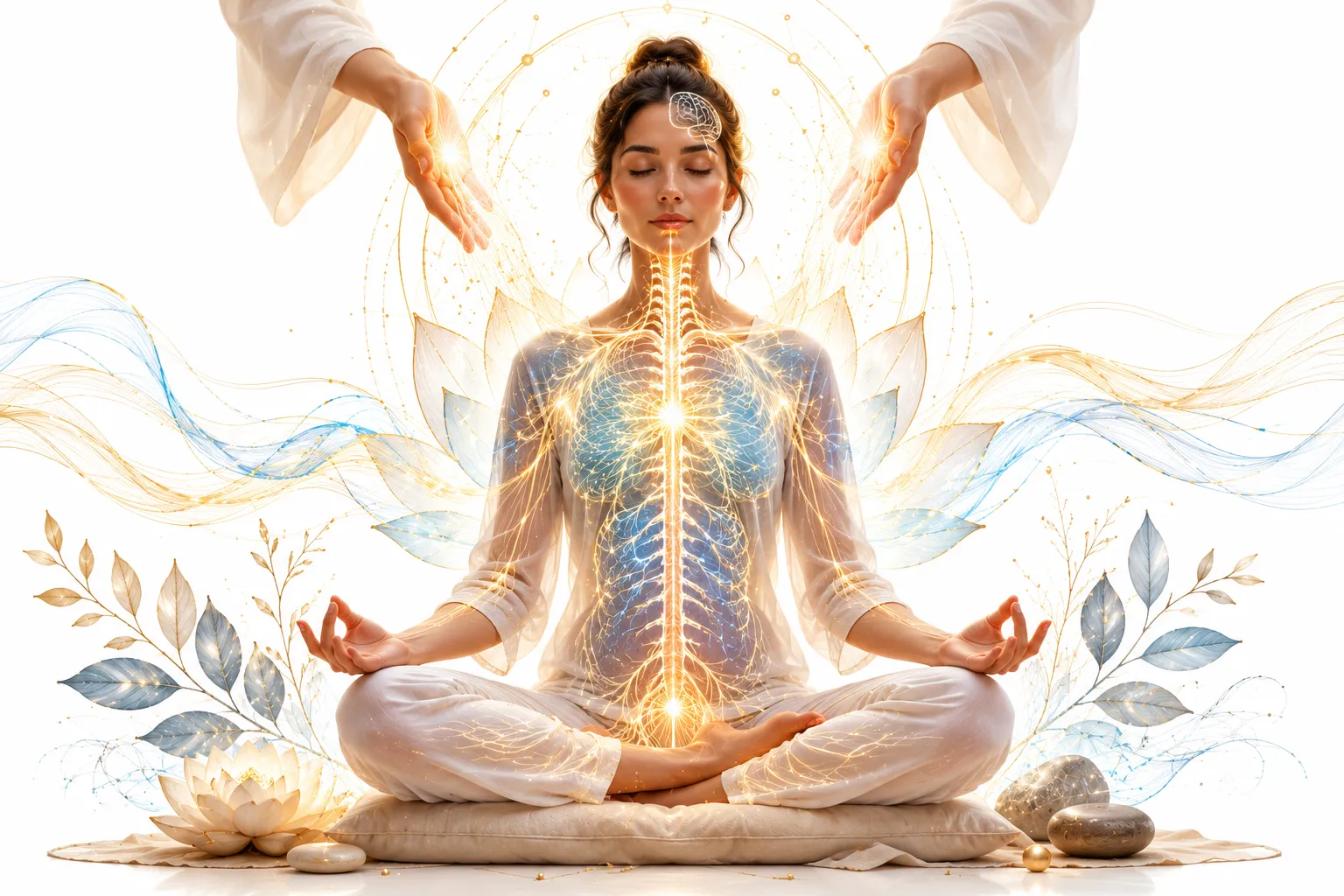
Some researchers have explored whether Reiki sessions are associated with relaxation-related physiological changes, but current evidence does not establish a Reiki-specific mechanism. The rest and digest response. It signals safety to a body that has forgotten what safety feels like. This is profoundly healing for trauma survivors.
However. And this is a large however. Reiki does not process traumatic memories. It does not help you integrate what happened. It does not address the beliefs and patterns that trauma created. For that, you need trauma therapy.
How Reiki May Support Trauma Healing
The role of Reiki alongside trauma therapy.
Trauma Therapy
EMDR, CBT, somatic experiencing. Processes traumatic memories. Addresses beliefs and patterns. Essential for healing.
Reiki
Calms nervous system. Reduces hyperarousal. Increases feelings of safety. Supports therapy.
Together
Therapy processes the past. Reiki calms the present body. Both are needed for full healing.
Healing
Reduced symptoms. Greater resilience. Feeling safe in body. Integration of past.
What Research Says About Reiki for Trauma
A careful review of available evidence, with appropriate caveats.
Reiki reduces PTSD symptoms in veterans
Scientific Study
Anxiety or hyperarousal measures after Reiki in small studies
Scientific Study
Reiki helps trauma survivors feel safer in body
Anecdotal
Reiki processes traumatic memories
Medical Guidance
Reiki should complement, not replace, trauma therapy
Medical Guidance
How Trauma-Informed Reiki Practitioners Work
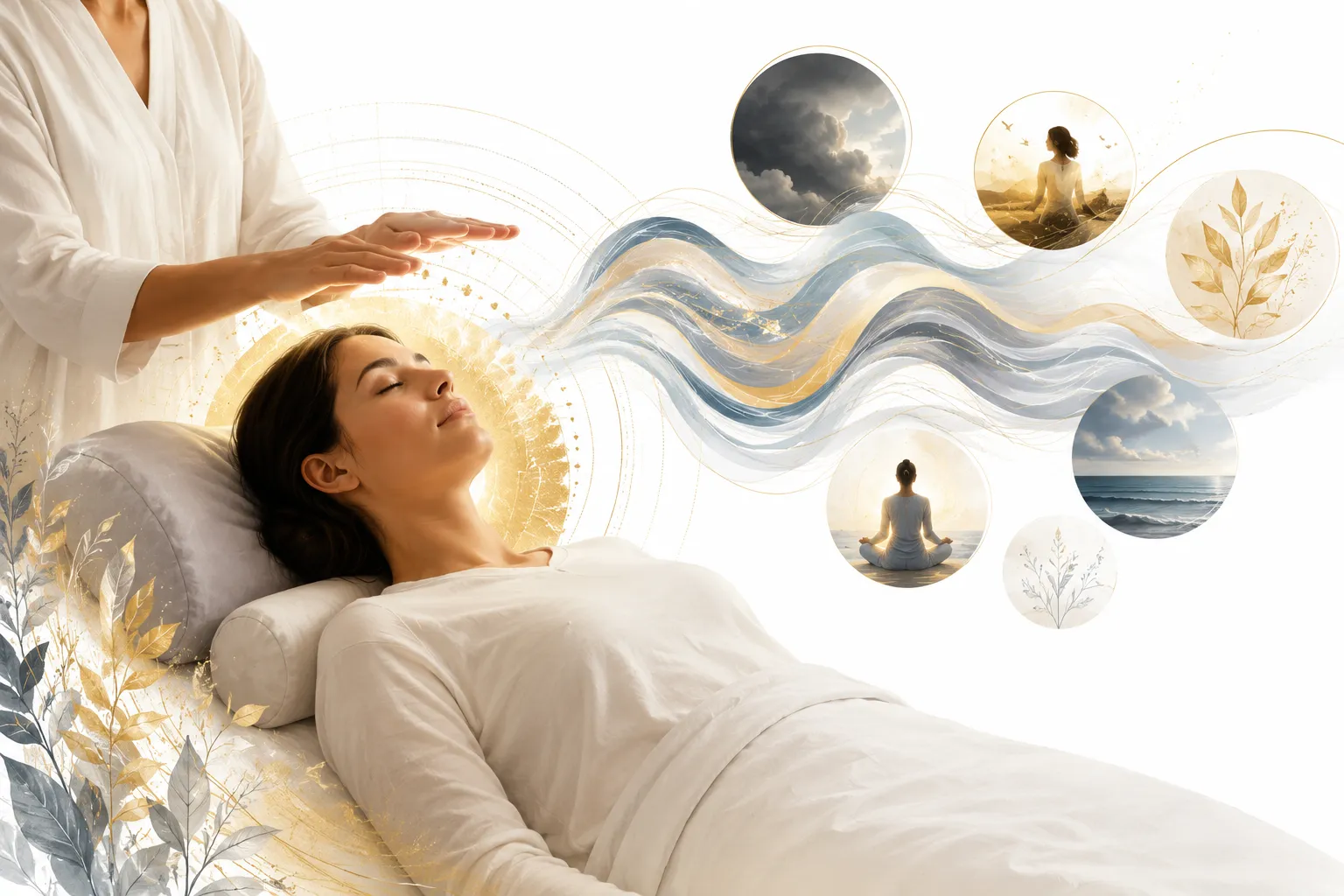
Ethical practitioners working with trauma survivors emphasize consent, the right to stop at any time, and careful attention to distress. Reiki does not replace trauma therapy or psychiatric care. Some recipients report feeling calmer afterward, but experiences vary and this remains anecdotal.
Reiki is not trauma therapy. It does not process memories. What it does is create safety in the body. For someone whose body has never felt safe, this is profound. Use Reiki alongside therapy, not instead of it.
Trauma survivors can be triggered by touch, by being in a vulnerable position, or by unexpected sensations. Work only with Reiki practitioners who have trauma-informed training. Tell your practitioner about your triggers. You remain in control of the session at all times.
Key takeaways
The shortest useful version of this page.
Reiki can help manage symptoms of childhood trauma: anxiety, hyperarousal, sleep problems.
Reiki does not process traumatic memories or cure trauma.
Trauma therapy (EMDR, CBT, somatic experiencing) is essential.
Reiki can support the nervous system so therapy works more effectively.
Work only with trauma-informed Reiki practitioners.
You remain in control of the session at all times.
Frequently asked questions
Can Reiki cure my childhood trauma?
No. Reiki does not cure trauma. It can help manage symptoms, but trauma requires professional therapy. Reiki is a complement, not a cure.
Is Reiki safe for trauma survivors?
Generally yes, with precautions. Touch can be triggering. Vulnerability can be triggering. Work only with trauma-informed practitioners. You remain in control.
Can Reiki bring up traumatic memories?
Rarely. Some people experience emotional release during Reiki. This can include memories or feelings surfacing. This is usually temporary. Work with a practitioner who can support you and coordinate with your therapist.
How often should I get Reiki for trauma symptoms?
Weekly sessions are common. Daily self-Reiki can also help. Consistency matters more than session length.
Can I do Reiki on myself for trauma?
Yes. Self-Reiki can help you feel safer in your body. Practice daily. Start with short sessions (5-10 minutes). Focus on areas that feel safe to touch.
Sources
Sources are listed for transparency. A citation supports only the claim it directly addresses. Prefer primary research, systematic reviews, government health agencies and official institutional pages when evaluating health-related statements.
- Van der Kolk, B. (2014). The Body Keeps the Score.
- Studies on Reiki for PTSD symptoms.
- Trauma-informed Reiki practitioner guidelines.
- Bronwen and Frans Stiene, The Reiki Sourcebook, 2003.
Found a broken source or unsupported claim? Report a correction .