Buddhist, Not Christian
The Great Religious Mix-Up and How It Happened
The story you have probably heard goes something like this. Mikao Usui was the principal of a Christian school in Japan. He was asked by his students how Jesus healed. He studied the Bible, climbed Mount Kurama, and discovered the healing method that became Reiki. It is a beautiful story. It is also entirely unsupported by Japanese historical records.
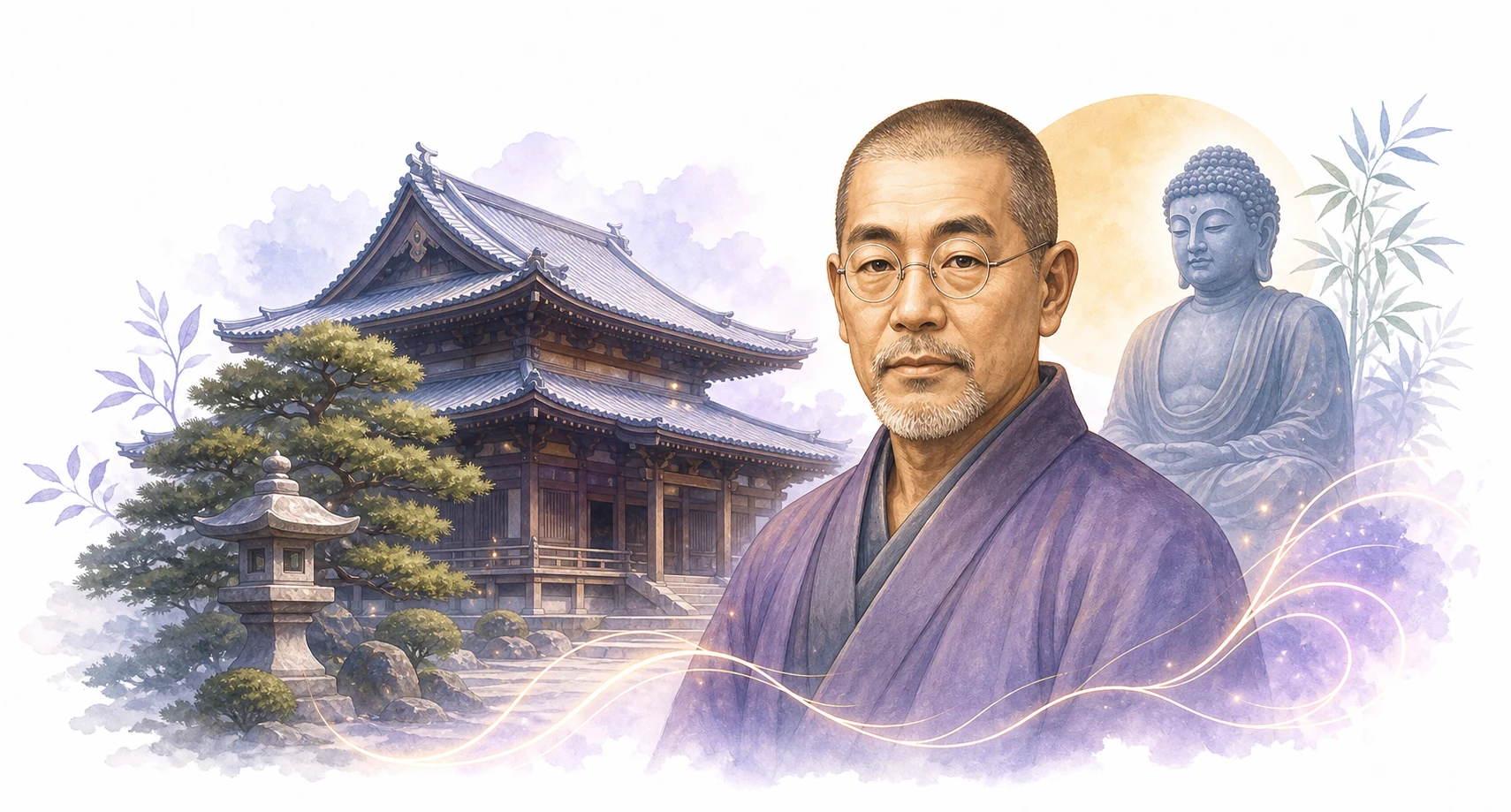
Japanese documents tell a different story. Usui was a Tendai Buddhist. Tendai is a Japanese Mahayana tradition that emphasizes meditation, esoteric practices, and the idea that all beings have the potential for enlightenment. It is a rich, sophisticated tradition with a thousand-year history. Usui was part of it.
How did the Christian story start? The answer is Hawayo Takata, the Hawaiian woman who brought Reiki to the West in the 1970s. Takata knew that Americans in the 1970s were suspicious of Eastern religions but comfortable with Christianity. She presented Usui as a Christian to help Reiki cross the cultural boundary. It worked brilliantly. Reiki spread. But the cost was a historical inaccuracy that has confused practitioners for generations.
Usui's Religious Landscape
The traditions that shaped Usui's spiritual worldview.
Tendai Buddhism
Primary tradition. Emphasizes meditation, esoteric ritual, and universal enlightenment. Supports lay practice.
Shinto
Indigenous Japanese tradition. Mount Kurama is a Shinto sacred site. Usui incorporated Shinto purification practices.
Broader Study
Usui read widely across traditions, including Taoism, Confucianism, and possibly Christian texts. Reading does not equal conversion.
Usui's Religious Timeline
- Born into Buddhist family in Gifu Prefecture.Buddhism was his first language of faith, learned at home.
- Lives through Japan's rapid Westernization, including religious reforms.This period saw both suppression of Buddhism and new interest in Western religions. Usui lived in the middle of this tension.
- Retreat on Mount Kurama, a site with Buddhist and Shinto associations.He chose a mountain sacred to both traditions. His awakening happened in a syncretic space.
- Founds and leads Usui Reiki Ryoho Gakkai, a lay Buddhist organization.The organization's principles and practices reflect Buddhist frameworks.
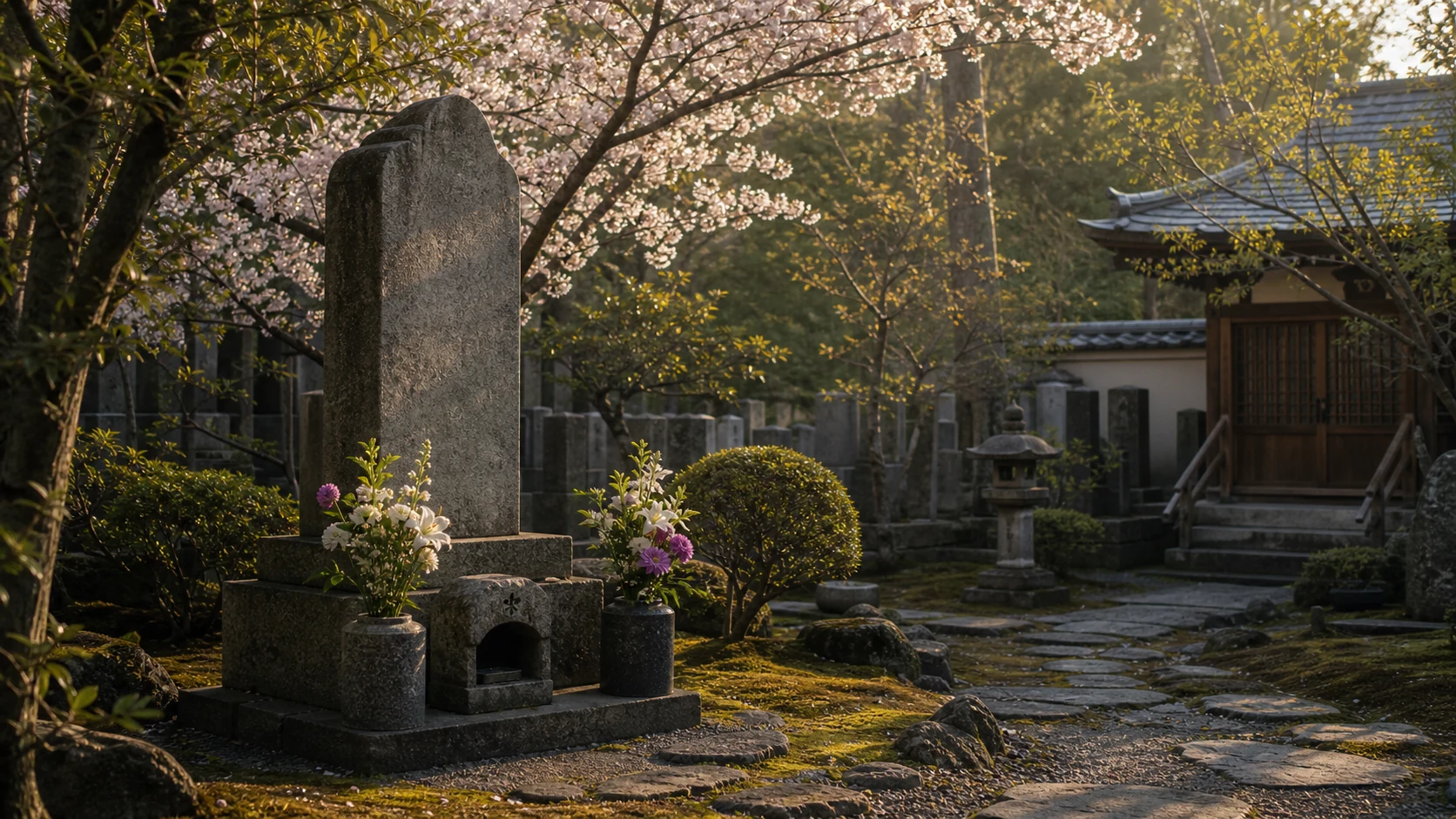
- Dies. Memorial stone erected by students uses Buddhist terminology.His own students, who knew him best, described him in Buddhist terms.
Usui's Actual Tradition
What Is Tendai Buddhism and Why Does It Matter?
Tendai Buddhism was founded in Japan in the 9th century by the monk Saicho. It is a comprehensive tradition that incorporates meditation, ethical precepts, esoteric rituals, and the study of Buddhist scriptures. One of its most important features is the idea that all beings have the potential for enlightenment, not just monks who have renounced the world.
This is a crucial point. Tendai's emphasis on lay practice directly parallels Usui's emphasis on making healing available to ordinary people. The tradition was already saying, 'You do not need to be a monk to walk the path.' Usui simply applied that to healing.
The Tendai framework also explains Usui's willingness to draw from multiple sources. Tendai is a synthetic tradition. It incorporates elements from earlier Buddhist schools rather than rejecting them. Usui's eclectic approach, far from being unusual, was exactly what his tradition encouraged.
Where Did It Come From?
How a Buddhist Became a Christian in Western Books
Hawayao Takata was a brilliant teacher and a shrewd cultural translator. She brought Reiki to the West at a time when Eastern spirituality was viewed with deep suspicion by many Americans. The 1970s were the era of the Jesus movement. Americans were more open to Christianity than to Buddhism.
Takata made a calculation. She would present Usui as a Christian, specifically as a Christian educator who rediscovered healing through Biblical study. The story gave Reiki Christian cover. It made Usui seem familiar rather than foreign. It worked.
The problem is that the story was not true. No Japanese source supports it. Usui was not a Christian. He was not the principal of a Christian school. There is no evidence he rediscovered healing through the Bible. Takata invented the story for good cultural reasons. But invention it was.
Religious Myths About Usui
Usui was a Christian who discovered Reiki through Bible study.
Usui was a Tendai Buddhist. The Christian story was created for Western audiences by Hawayo Takata.
Usui rejected Buddhism.
Usui was a practising Buddhist throughout his adult life. The memorial stone confirms this.
Reiki is a Christian healing method.
Reiki emerged from a Buddhist context. It can be practised by people of any religion or none, but its origins are Buddhist.
The Reiki principles are Christian teachings.
The Five Principles reflect Buddhist ethical frameworks, particularly the precepts and the emphasis on gratitude.
He was a person of gentle character, humble and unassuming. He never displayed arrogance.
Key takeaways
The shortest useful version of this page.
Mikao Usui was a Tendai Buddhist lay practitioner, not a Christian.
The Christian origin story was created by Hawayo Takata to help Reiki cross into Western culture.
Japanese historical records, including the memorial stone and family records, consistently show Usui as Buddhist.
Understanding Usui's actual religion helps practitioners understand Reiki's principles in their original context.
Reiki does not require Buddhist belief to be effective, but its origins are Buddhist.
Frequently asked questions
Does Reiki require me to be Buddhist?
Not at all. Reiki is a practice, not a religion. People of all faiths and none practise Reiki effectively. Understanding its Buddhist origins is historical, not prescriptive.
Did Usui ever claim to be Christian?
No. The Christian claims were made by Takata after Usui's death. There is no record of Usui calling himself Christian.
Why does the Western story persist if it is inaccurate?
Because it has been repeated in hundreds of books and training manuals for decades. Historical corrections take time to spread through a global community.
What does Tendai Buddhism believe about healing?
Tendai includes healing practices, including esoteric rituals and meditation. Usui's Reiki can be seen as a lay-friendly adaptation of these traditions.
Sources
Sources are listed for transparency. A citation supports only the claim it directly addresses. Prefer primary research, systematic reviews, government health agencies and official institutional pages when evaluating health-related statements.
- Usui Memorial Stone, Saihoji Temple, Tokyo, translated by Hyakuten Inamoto
- Frank Arjava Petter, Reiki Fire, 1997
- Bronwen and Frans Stiene, The Reiki Sourcebook, 2003
- Tetsuya Ishii, Japanese historical research on Usui's family records
- Lawrence Ellyard, Reiki, A Way of Life, 2004
Found a broken source or unsupported claim? Report a correction .