History vs Adaptation
The Christian Usui Story Was Not the Original Story
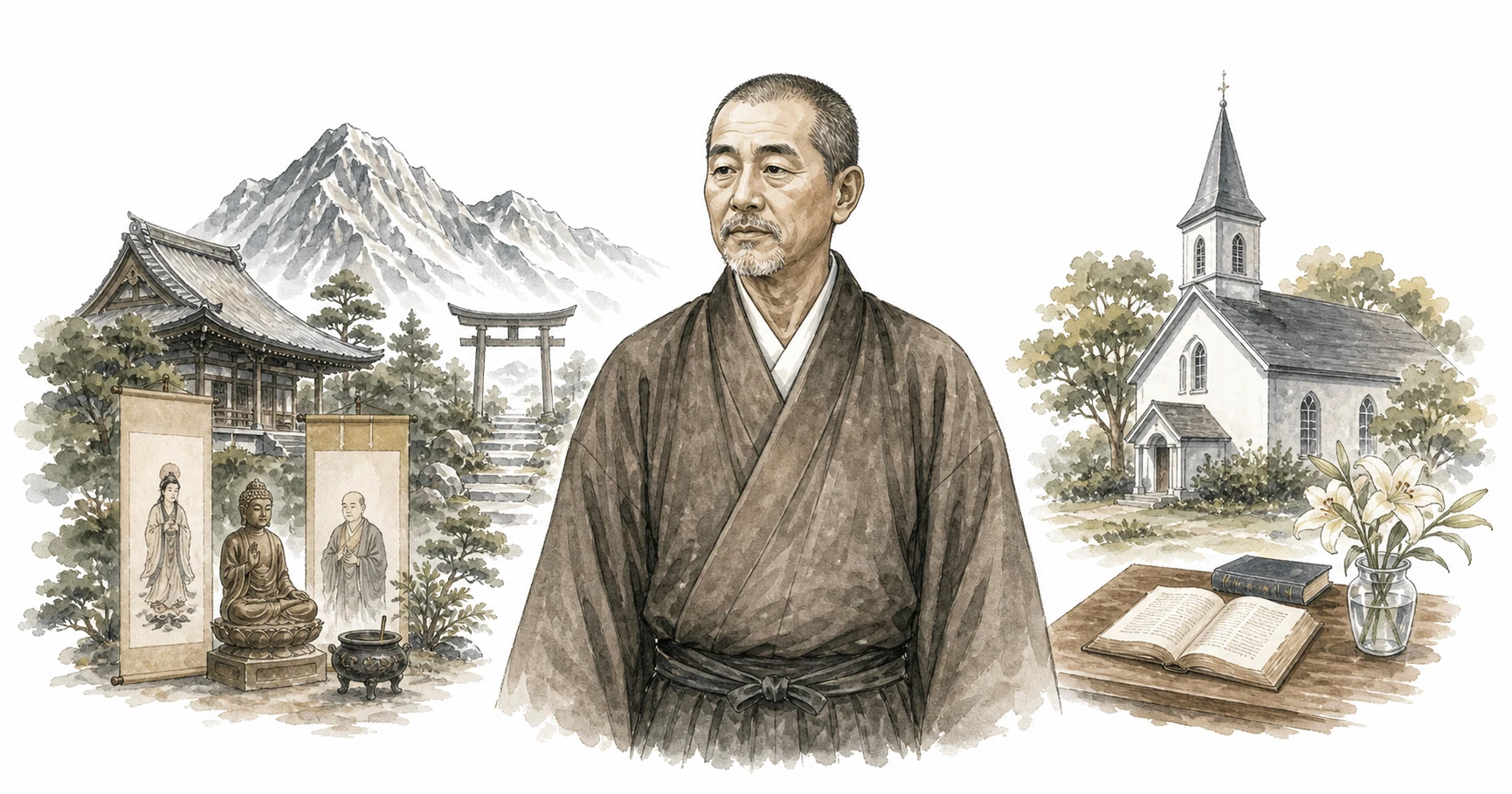
The Christian version says Usui was a professor or minister who searched for the healing method of Jesus, studied Christian texts, and eventually found Reiki. This story became popular in Western Reiki.
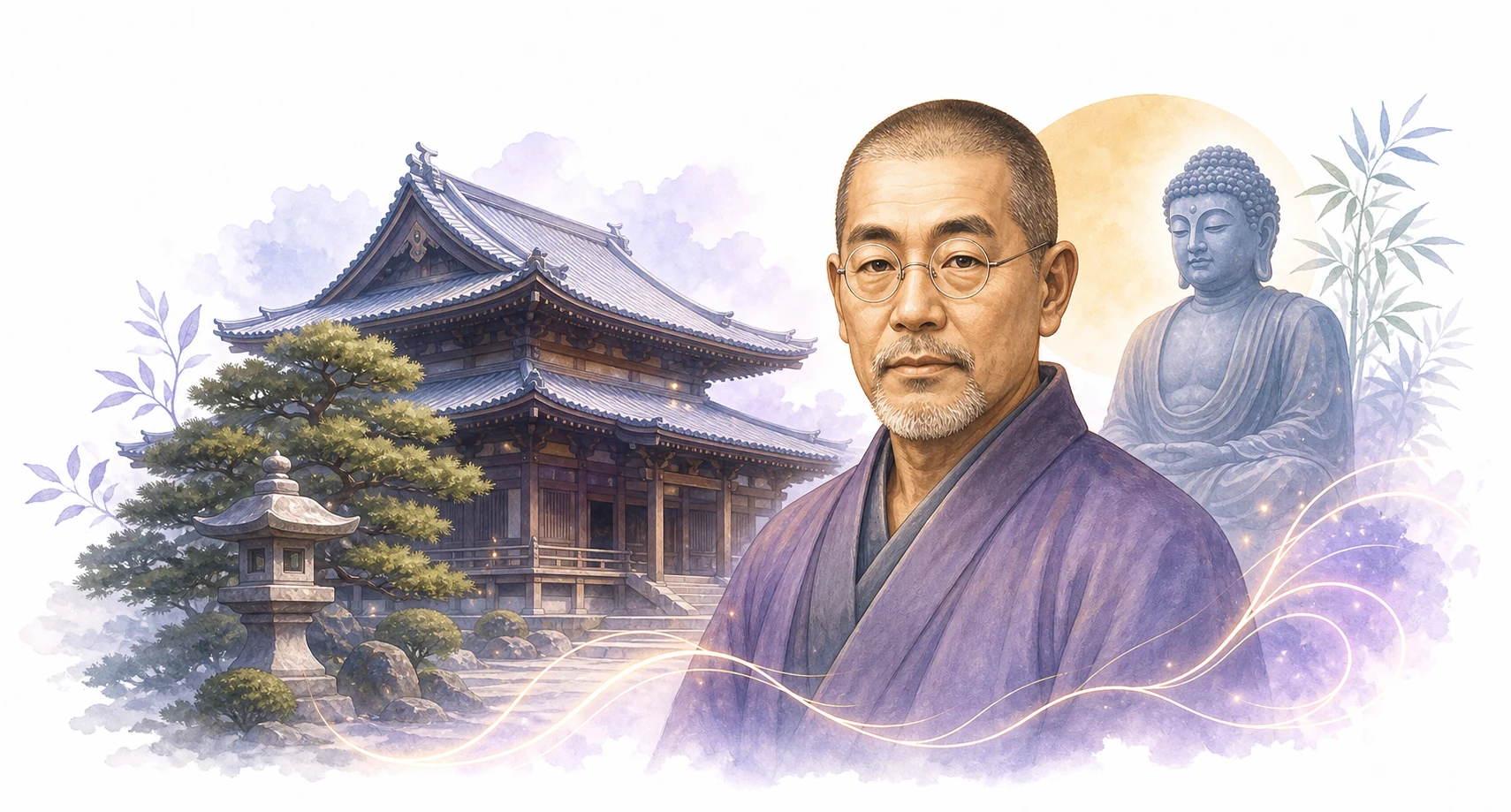
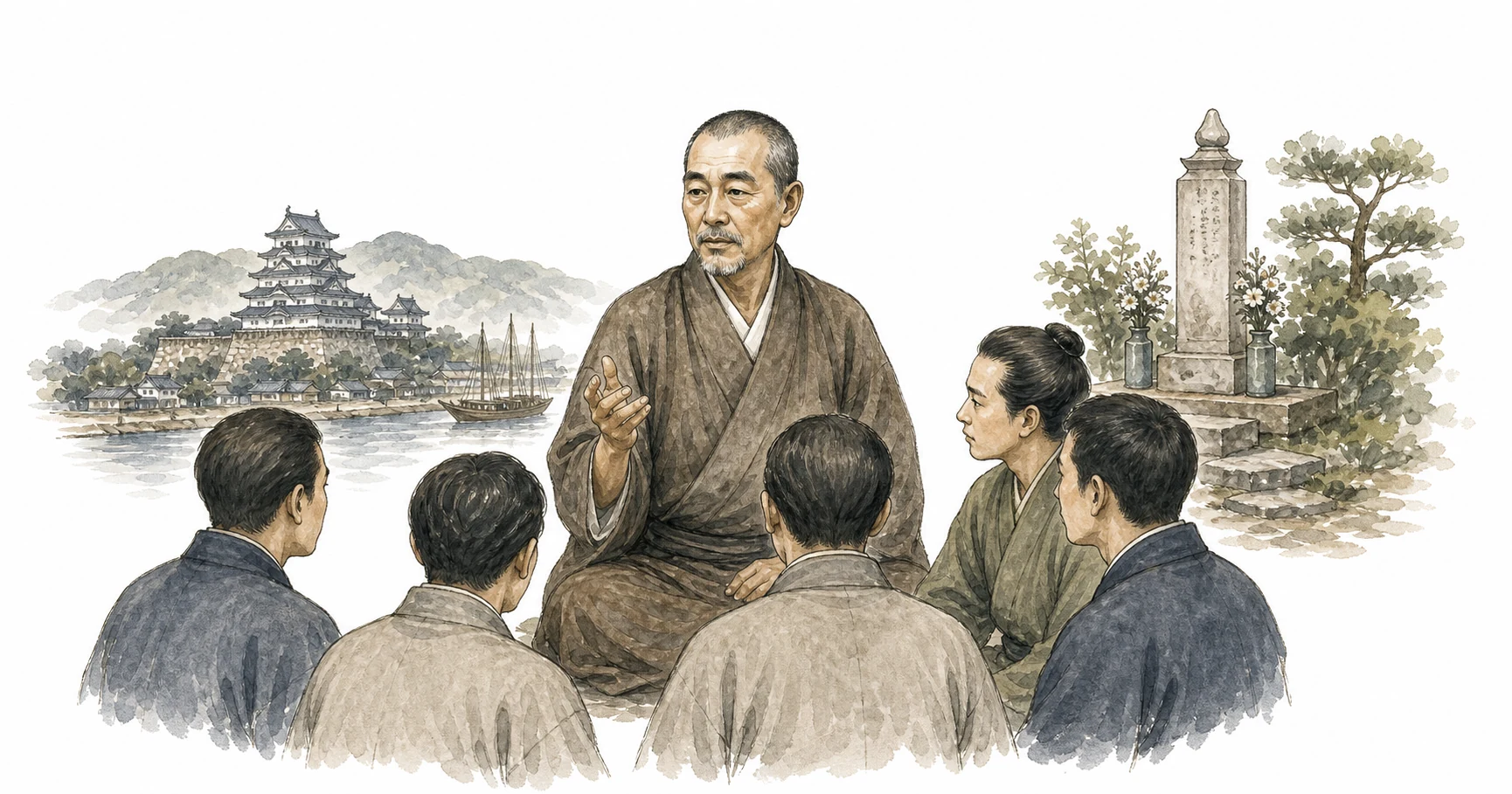
Japanese Reiki research tells a different story. Usui was a Japanese layman with Buddhist influences. His Mount Kurama retreat fits Japanese spiritual discipline, not a Christian seminary narrative.
That does not mean Reiki is anti-Christian. It means Usui himself should not be recast as Christian to make Reiki acceptable. The practice can be interpreted by people from many faith backgrounds without rewriting the founder's life.
Two Origin Stories
The popular Western story compared with the Japanese historical account.
Western Story
Christian professor seeks Jesus' healing method.
Japanese Account
Lay practitioner undertakes Kurama discipline and realizes Reiki.
Why It Matters
History should be clarified without judging modern practitioners.
Christian Story vs Historical Account
Usui's identity
Christian professor
Japanese lay spiritual practitioner
Source of discovery
Bible study
Mount Kurama retreat and spiritual discipline
Religious setting
Christian seminary
Japanese Buddhist-influenced practice
Why known
Western Reiki storytelling
Japanese memorial and historical research
Adaptation
Why the Christian Version Spread
Hawayo Takata taught Reiki in a Western, largely Christian cultural environment. A Buddhist Japanese healing practice could sound foreign or suspicious to that audience.
The Christianized story made Reiki easier to hear. It framed Usui in familiar terms: a professor, a question about Jesus, a healing method. It was effective as a bridge, but it should not be mistaken for the original history.
Common Claims About Usui and Christianity
Usui was a Christian minister.
There is no reliable historical evidence for this.
Usui discovered Reiki by studying the Bible.
The central Japanese account is the Mount Kurama retreat.
If Usui was not Christian, Christians cannot practice Reiki.
That is a separate theological question, not a historical fact about Usui.
Key takeaways
The shortest useful version of this page.
Mikao Usui was not historically Christian.
The Christian professor story is a later Westernized origin story.
Usui's background is better understood through Japanese Buddhist and spiritual practice.
Modern Christian views on Reiki are separate from Usui's personal religion.
Frequently asked questions
Was Mikao Usui a Christian minister?
No. There is no reliable historical evidence that he was a Christian minister.
Why do some Reiki books say Usui was Christian?
Because early Western Reiki storytelling adapted his biography for Christian audiences.
Was Usui Buddhist?
He is usually understood as a lay practitioner shaped by Japanese Buddhism, especially Tendai context.
Can Christians practice Reiki?
Some do and some do not. That depends on their theology, not on a claim that Usui was Christian.
Sources
Sources are listed for transparency. A citation supports only the claim it directly addresses. Prefer primary research, systematic reviews, government health agencies and official institutional pages when evaluating health-related statements.
- Usui Memorial Stone, Saihoji Temple, Tokyo, translated by Hyakuten Inamoto.
- Frank Arjava Petter, Reiki Fire, 1997.
- Bronwen and Frans Stiene, The Reiki Sourcebook, 2003.
- Hawayo Takata oral history as discussed in Western Reiki lineage literature.
Found a broken source or unsupported claim? Report a correction .