Supporting Integration
Why What You Avoid Matters as Much as What You Do
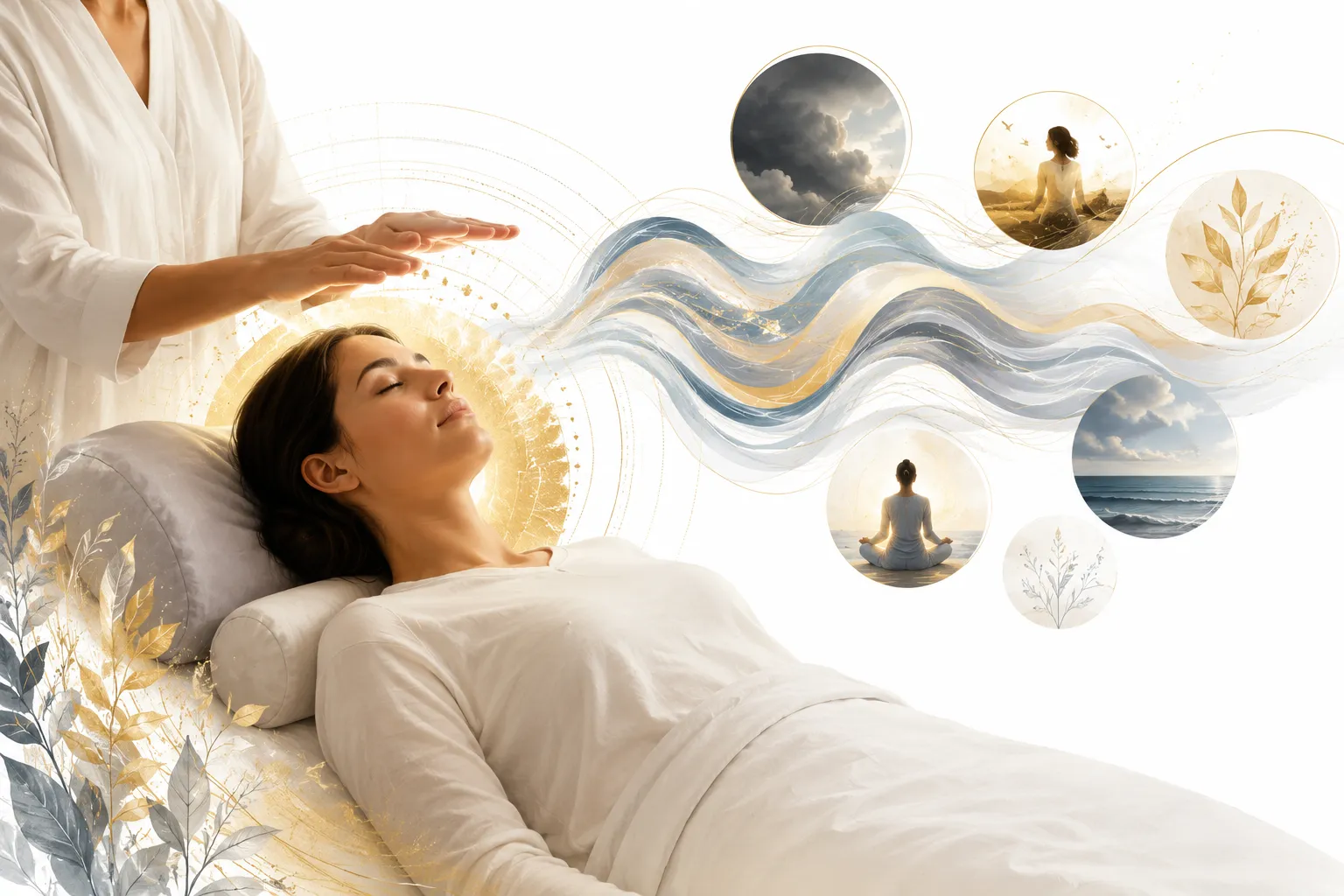
After a Reiki session, your body is in a state of heightened sensitivity. Energy channels that may have been blocked or sluggish are open. Your nervous system, which may have been in a stress state, has shifted toward relaxation and repair.
This is a vulnerable time. Not dangerous. But sensitive. The changes are subtle. The integration takes time. Activities that are normally fine, like a cup of coffee or a workout, can disrupt the process.
The goal of aftercare is not to be perfect. It is to be gentle. Give yourself permission to rest. To drink water. To eat simply. To avoid the things that would pull you out of the receptive state Reiki has created.
The Aftercare Timeline
What to avoid and what to do in the first 24 hours after Reiki.
Immediate (0-2 hours)
Rest. Hydrate. No driving if spacey. No hot showers. No heavy food.
Short-term (2-8 hours)
Gentle movement only. Light meals. No alcohol. No caffeine. Avoid stressful conversations.
Rest of day (8-24 hours)
Continue hydration. Normal light activities. Still avoid alcohol. Postpone major decisions.
Best practices all day
Drink water. Rest when tired. Eat simply. Be gentle with yourself.
How Aftercare Developed
- Oral teaching included aftercare guidance, though not formalized.Practitioners learned from experience what supported integration.
- Aftercare guidelines became more explicit and standardized.Written materials helped new practitioners know what to expect and how to care for themselves.
- Aftercare is now standard in most Reiki training.Clients receive clear guidance, reducing confusion and supporting better outcomes.
The Complete Aftercare Guide
Alcohol
Avoid for 24 hours. Alcohol disrupts the subtle energy integration and can lead to feeling ungrounded or emotionally raw.
Caffeine
Avoid for a few hours. Caffeine overstimulates the nervous system, counteracting the relaxation Reiki created.
Heavy or processed foods
Eat light, warm, simple foods. Soups, stews, cooked vegetables, rice. Avoid fried, processed, or very cold foods.
Intense exercise
Gentle walking or stretching is fine. Save the gym workout for tomorrow.
Hot showers or baths
Wait a few hours. Extreme temperatures can be jarring to an open energy system. Warm, not hot, is fine.
Stressful conversations
If possible, avoid arguments, difficult news, or emotional confrontations for 24 hours.
Screens for long periods
Take breaks. Go outside. Let your eyes rest from blue light.
Driving if spacey
Some people feel deeply relaxed or spacey after Reiki. Wait until you feel fully alert.
Major decisions
Wait 24-48 hours before making important life decisions. Your perspective may shift as you integrate.
Ignoring your body's signals
If you are tired, rest. If you are hungry, eat. If you need to cry, cry. Do not push through.
The Reasoning
Why These Activities Disrupt Integration
Alcohol and caffeine are stimulants and depressants. They affect the nervous system directly. Reiki works in part by calming the nervous system. Alcohol and caffeine reverse that effect.
Heavy food requires significant energy for digestion. After Reiki, you want your body's energy focused on integration and healing, not on breaking down a large, heavy meal.
Intense exercise is stimulating. It raises heart rate and stress hormones. Reiki lowers them. Give your body a day of rest.
Stressful conversations activate the sympathetic nervous system (fight or flight). Reiki activates the parasympathetic (rest and digest). They are opposites.
Major decisions: Reiki can shift your perspective. What seemed important before may feel different after. Give yourself time to see clearly.
Positive Actions
What to Do Instead After Reiki
Drink plenty of water. Hydration supports energy flow. Aim for several glasses in the first few hours after a session.
Rest when your body asks for rest. This might mean a nap, or just sitting quietly for a while.
Eat light, warm, simple foods. Soup is ideal. Cooked vegetables. Rice. Nothing heavy or complicated.
Spend time in nature if possible. A short walk, sitting in a garden, even just looking at trees from a window.
Journal. Insights often arise after Reiki. Write down anything that comes up.
Be gentle with yourself. You do not need to be productive. You do not need to accomplish anything. Rest is healing.
Key takeaways
The shortest useful version of this page.
Avoid alcohol for 24 hours after Reiki.
Avoid caffeine, heavy food, and intense exercise for several hours.
Avoid stressful conversations and major decisions for 24 hours.
Drink plenty of water and rest when tired.
If you feel spacey, do not drive.
The guidelines are suggestions, not strict rules. Listen to your body.
Frequently asked questions
Can I shower after Reiki?
Yes, but avoid very hot showers immediately after. Warm water is fine. Some practitioners recommend waiting a few hours.
Can I eat after Reiki?
Yes. Eat light, warm, simple foods. Avoid heavy, processed, or very cold foods.
Can I exercise after Reiki?
Gentle movement like walking or stretching is fine. Save intense exercise for the next day.
Can I have sex after Reiki?
There is no rule against it. Some practitioners recommend waiting a few hours to allow energy to settle, especially after a deep session.
What if I accidentally do something on the avoid list?
It is not a disaster. Just return to gentleness. Drink extra water and rest.
Sources
Sources are listed for transparency. A citation supports only the claim it directly addresses. Prefer primary research, systematic reviews, government health agencies and official institutional pages when evaluating health-related statements.
- Traditional Reiki aftercare teachings
- Bronwen and Frans Stiene, The Reiki Sourcebook, 2003
- Practitioner experience and client reports
Found a broken source or unsupported claim? Report a correction .