The Nervous System and Addiction
How Reiki May Support Addiction Recovery
Addiction is often a coping mechanism. It is a way to manage stress, trauma, or emotional pain. The brain gets stuck in a pattern. The nervous system stays in survival mode.
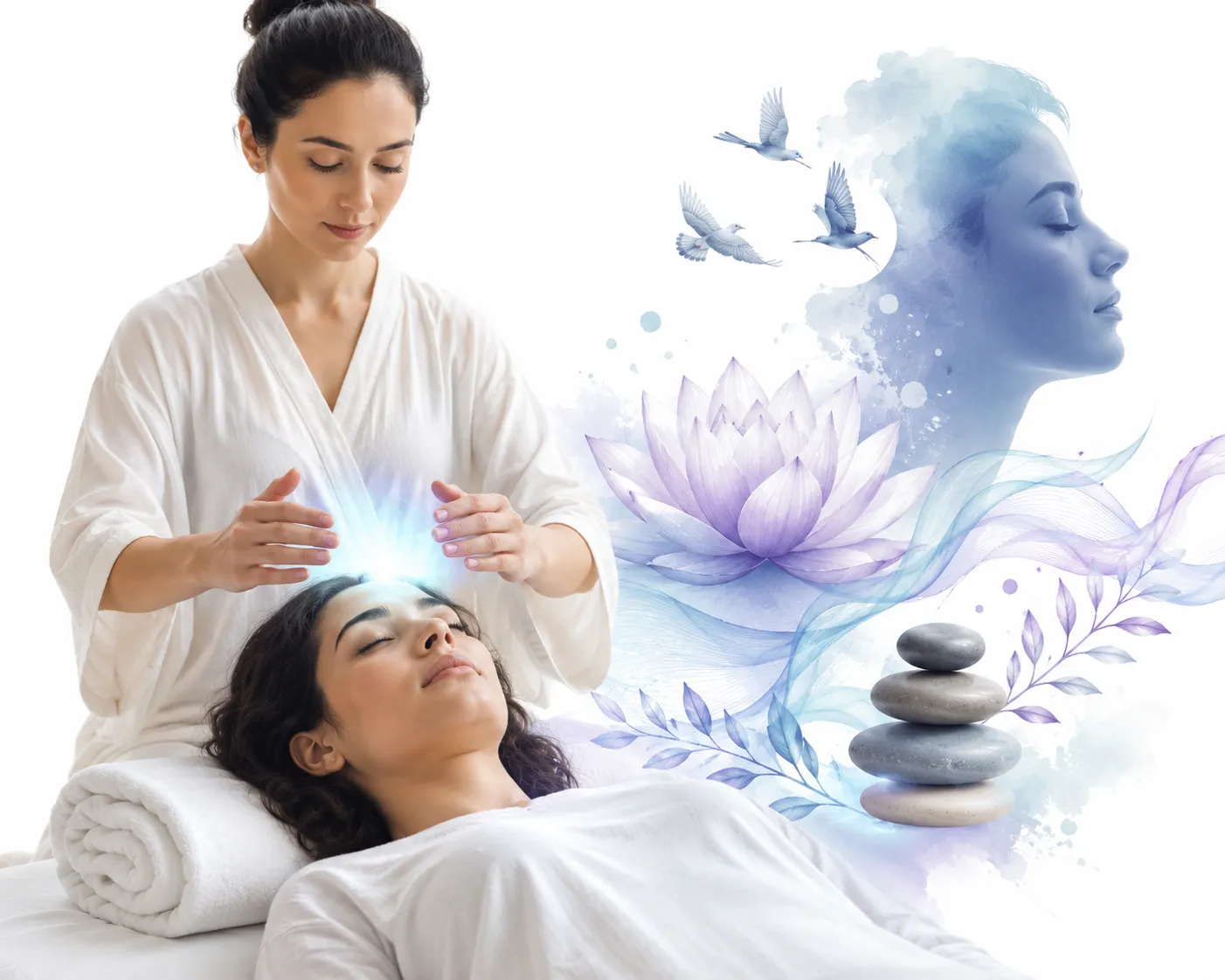
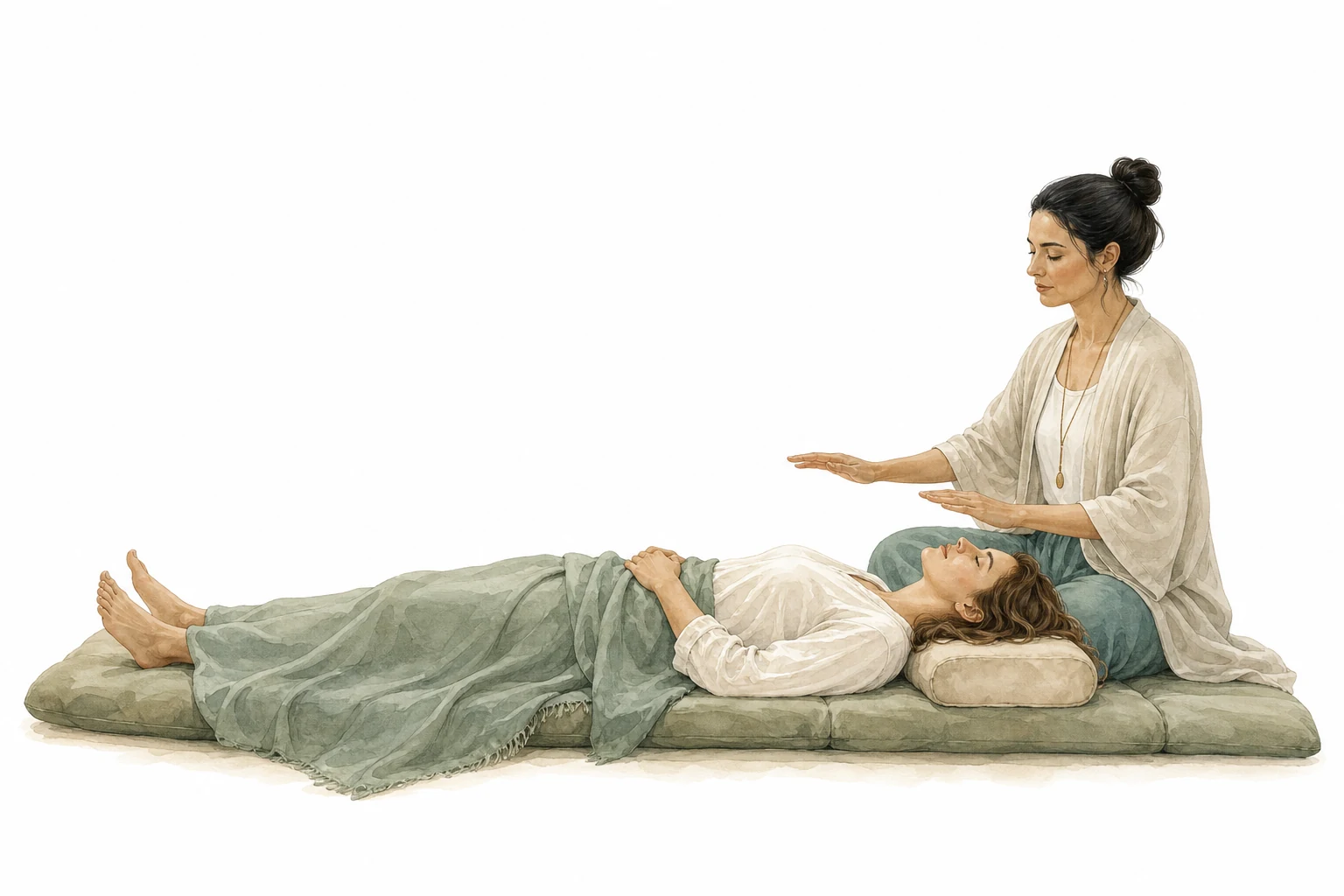
Reiki helps calm the nervous system. It activates the relaxation response. This can reduce stress. It can help regulate emotions. It can support the brain as it heals.
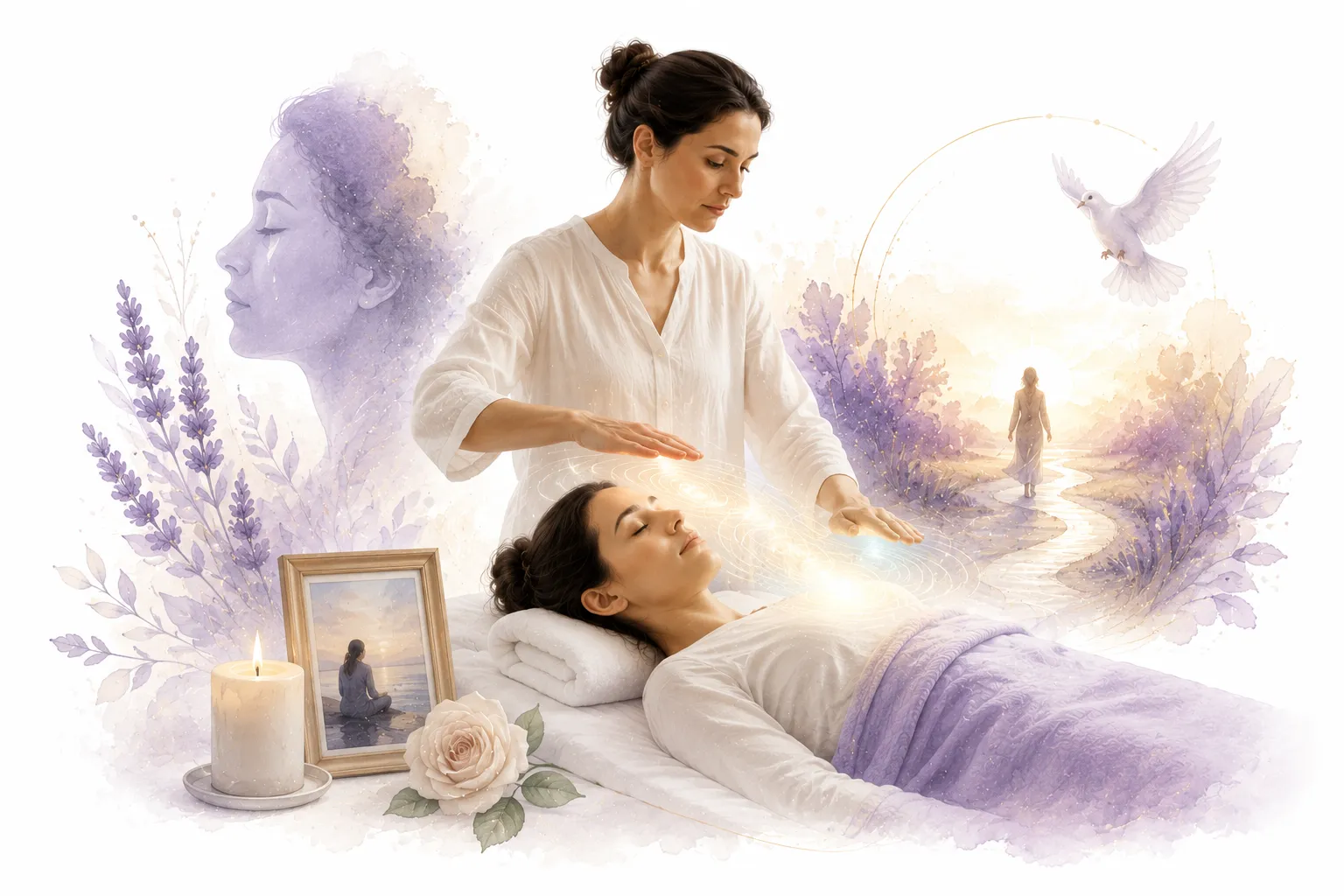
Reiki does not treat addiction directly. It supports the person. It helps them cope. It helps them heal the underlying pain that may be driving the addiction.
Reiki and Addiction Recovery
How Reiki may support the recovery journey.
Stress and Trauma
Underlying causes of addiction. Nervous system dysregulation.
Addiction Patterns
Coping mechanism. Brain stuck in survival mode.
Reiki Session
Activates relaxation response. Calms nervous system.
Nervous System Regulation
Less stress. More balance. Better coping.
Reduced Cravings
Less need to use substances. Better recovery.
What Research Says About Reiki for Addiction
There is very little direct research on Reiki for addiction. Evidence is mostly extrapolated from stress and emotional healing studies.
Reiki reduces stress (cravings trigger)
Scientific Study
Reiki supports emotional healing
Anecdotal
Reiki regulates nervous system
Scientific Study
Reiki cures addiction
Medical Guidance
Reiki should not replace addiction treatment
Medical Guidance
How Reiki Practitioners Approach Addiction Recovery
I have worked with people in recovery. Reiki does not cure addiction. But it helps them cope. They feel less anxious. They sleep better. They are less reactive. The cravings are less intense. Reiki supports their recovery journey.
Reiki is not a treatment for addiction. It is a support tool. It helps with the stress and emotional pain that often underlie addiction. Use Reiki alongside professional treatment.
If you are struggling with addiction, get professional help. Reiki can support your recovery. It cannot replace therapy, support groups, or medical treatment.
Key takeaways
The shortest useful version of this page.
Reiki may help with addiction recovery by reducing stress and supporting emotional healing.
Addiction often involves underlying stress, trauma, and emotional pain.
Reiki calms the nervous system and supports healing.
Reiki does not cure addiction or replace professional treatment.
Use Reiki alongside addiction treatment (therapy, support groups, medication-assisted treatment).
Evidence is mostly anecdotal. Try it and see if it helps you.
Frequently asked questions
Can Reiki cure addiction?
No. Reiki does not cure addiction. It can support recovery by reducing stress and supporting emotional healing. But it is not a substitute for professional treatment.
How often should I get Reiki for addiction recovery?
Weekly sessions are common. Daily self-Reiki can also be helpful. Consistency matters.
Can Reiki help with cravings?
Some people report fewer cravings with regular Reiki practice. Stress reduction is a key factor.
Should I use Reiki instead of rehab?
No. Reiki is not a replacement for professional addiction treatment. Use Reiki alongside rehab, therapy, and support groups.
Can Reiki help with withdrawal symptoms?
Reiki may help with the stress and anxiety of withdrawal. It does not treat withdrawal symptoms directly. Always work with a medical professional during withdrawal.
Sources
Sources are listed for transparency. A citation supports only the claim it directly addresses. Prefer primary research, systematic reviews, government health agencies and official institutional pages when evaluating health-related statements.
- Studies on Reiki for stress and emotional healing.
- Medical guidelines for addiction treatment.
- Bronwen and Frans Stiene, The Reiki Sourcebook, 2003.
- Practitioner experience and client reports.
Found a broken source or unsupported claim? Report a correction .