The Source Question
Where Does Reiki Energy Come From?
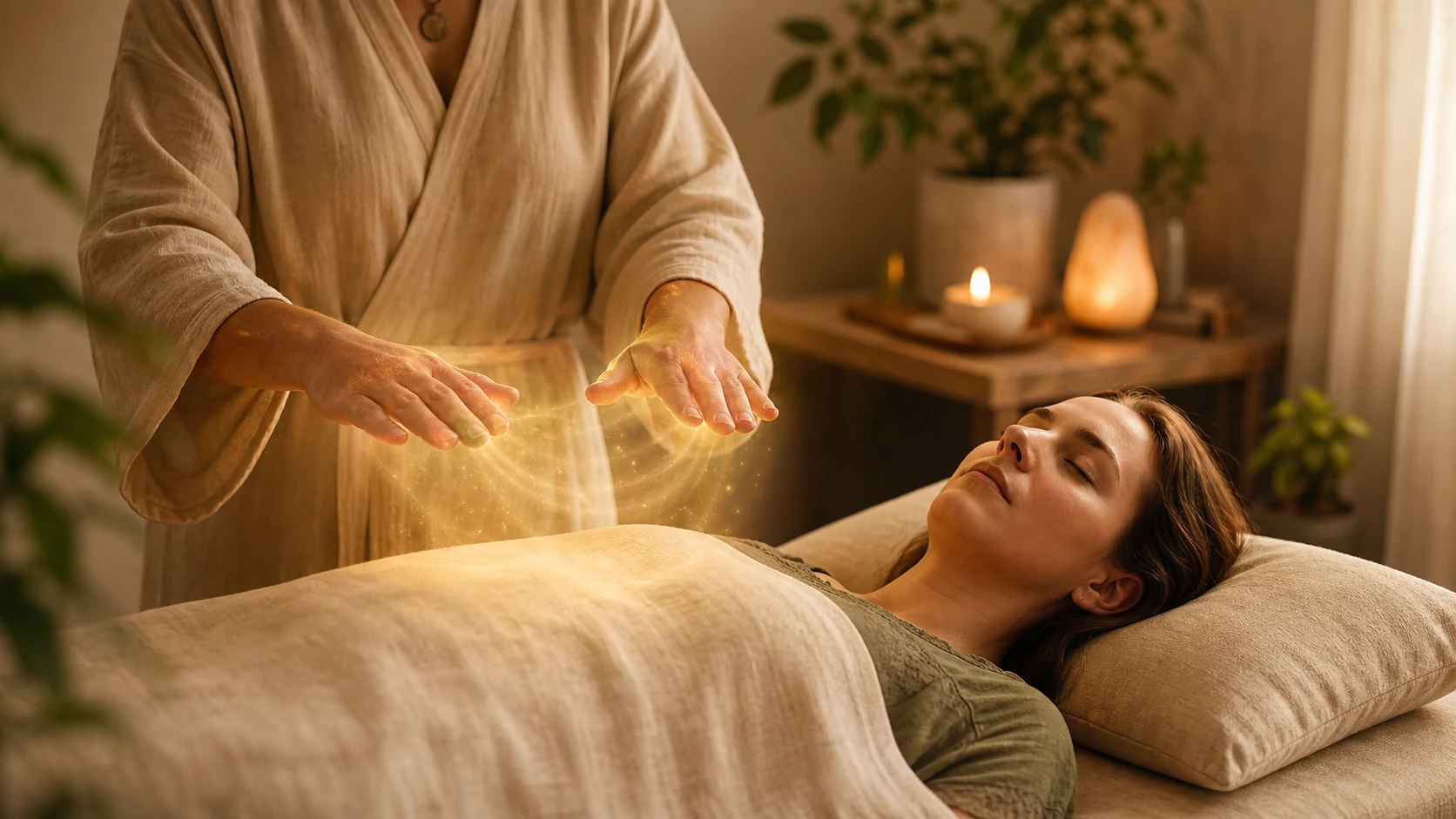
According to Reiki tradition, Reiki energy comes from the universe. It is universal life energy (ki). The practitioner is a conduit. They channel the energy through their hands.
From a scientific perspective, the source is less clear. The relaxation response, placebo effect, and compassionate touch likely play significant roles.
The exact source is not fully understood. The practice works for many people regardless.
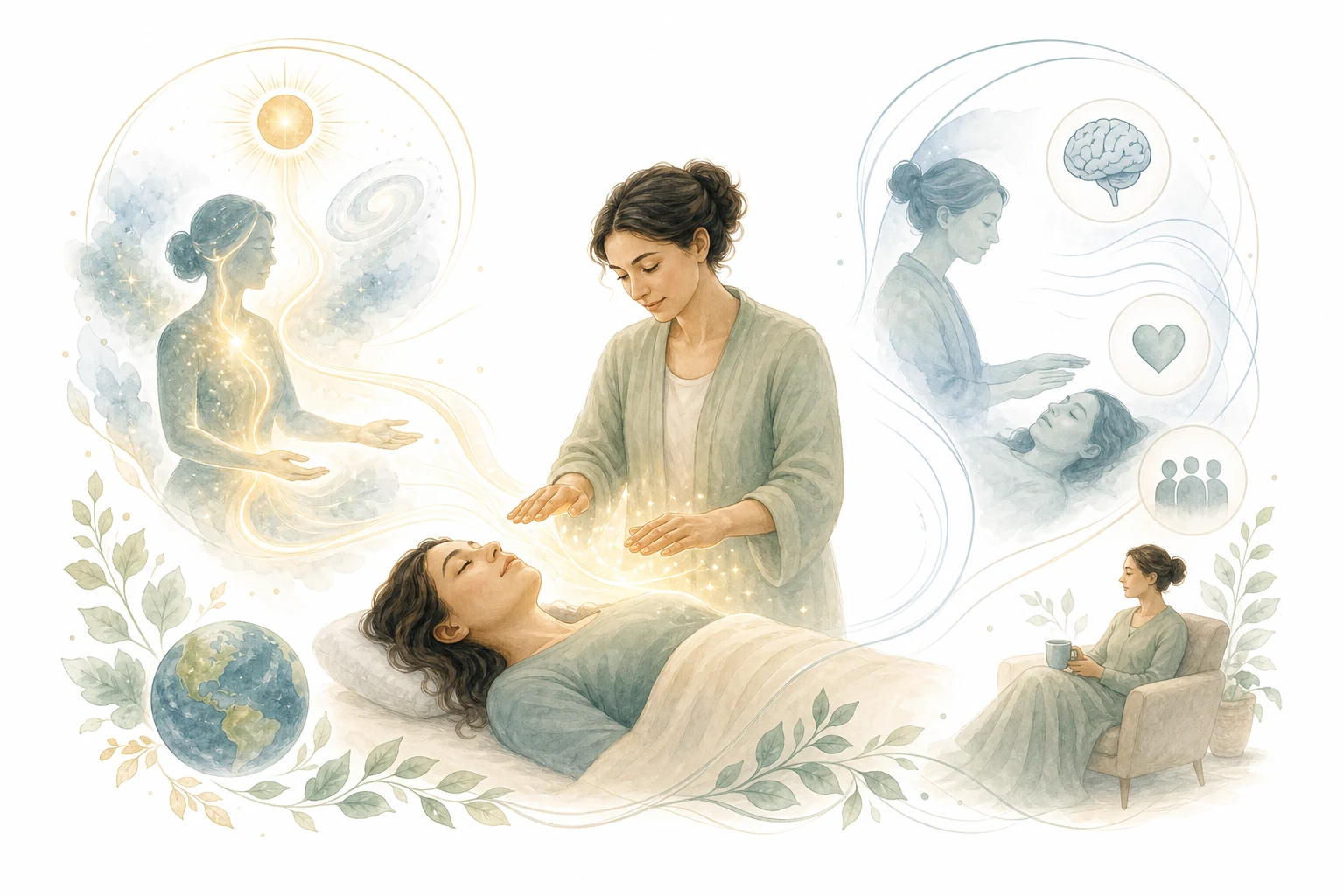
Where Reiki Energy Comes From
Different perspectives on the source.
Reiki Tradition
Energy comes from the universe. Universal life energy (ki). Practitioner is a conduit.
Science
Relaxation response. Placebo effect. Compassionate touch. Source not fully clear.
Both
The practice works. The source is not fully understood. The mystery remains.
The Reiki Tradition
Where Energy Comes From According to Tradition
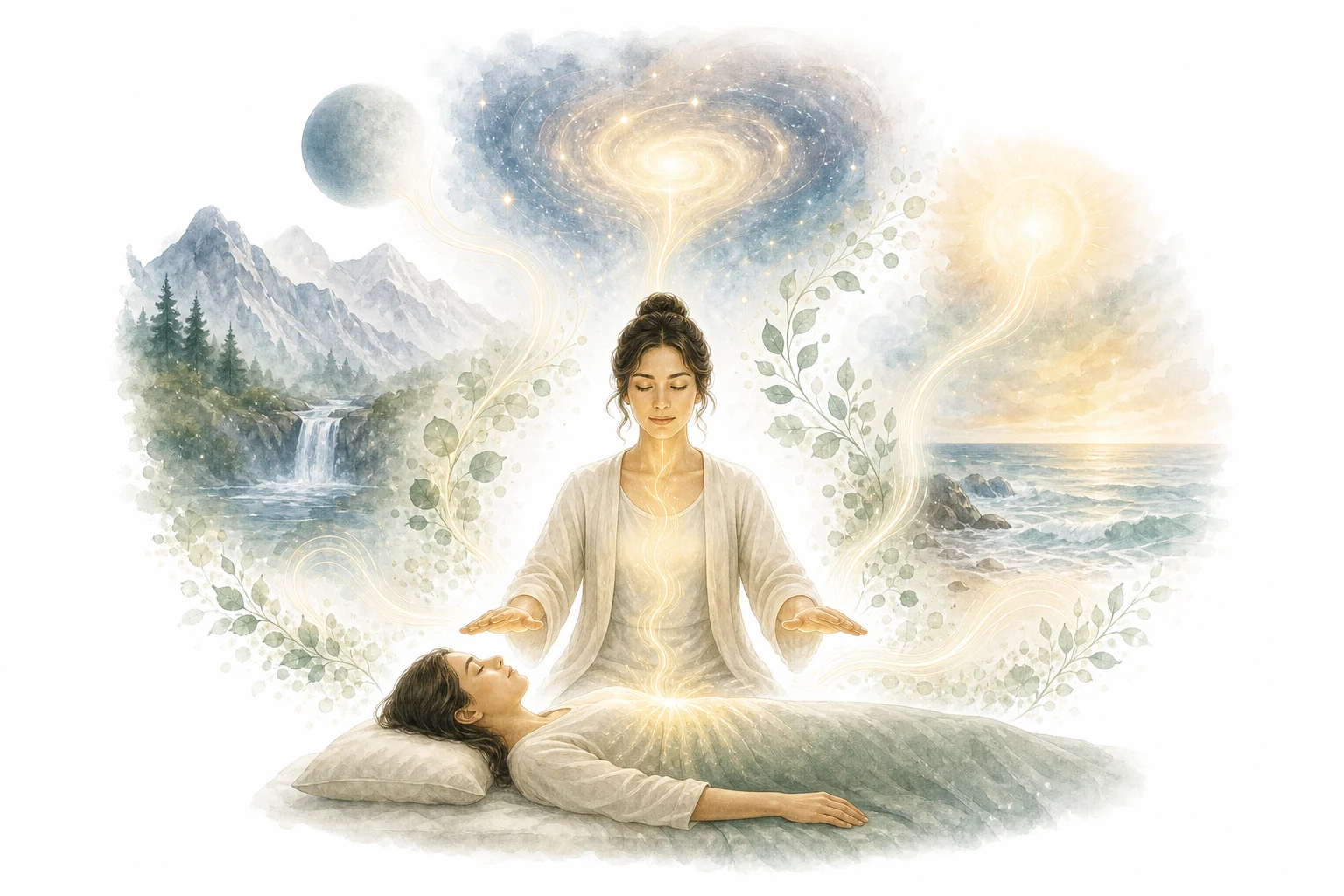
According to Reiki tradition, Reiki energy comes from the universe. It is universal life energy (ki). The practitioner is a conduit. They do not create the energy. They channel it.
The energy flows through the practitioner's hands. It flows to the recipient. The recipient's body uses the energy to support natural healing.
The source is the universe. The practitioner is the channel. The recipient is the receiver. The energy is the healing.
The Scientific Perspective
What Research Suggests
From a scientific perspective, the source of Reiki energy is less clear. Some researchers suggest the relaxation response is the source. The gentle touch and quiet environment trigger the parasympathetic nervous system.
Others suggest the placebo effect plays a significant role. Believing that Reiki will help can produce real physiological changes.
Compassionate touch may also play a role. Touch releases oxytocin, the 'bonding' hormone. It reduces pain perception and creates feelings of safety.
Key takeaways
The shortest useful version of this page.
According to Reiki tradition, energy comes from the universe.
The practitioner is a conduit, not a creator.
From a scientific perspective, the source is less clear.
The relaxation response, placebo, and compassionate touch likely play roles.
The exact source is not fully understood.
The practice works for many people regardless.
Frequently asked questions
Where does Reiki energy come from?
According to Reiki tradition, it comes from the universe. From a scientific perspective, the source is less clear. The relaxation response and placebo likely play roles.
Do practitioners create Reiki energy?
According to Reiki tradition, no. They channel it. They are conduits, not creators.
Is Reiki energy the same as ki?
According to Reiki tradition, yes. Reiki means universal life energy. Ki is the life energy.
Is there scientific evidence for Reiki energy?
There is no scientific evidence for ki as a measurable energy. It is a traditional concept central to Reiki practice.
Does the source of Reiki energy matter?
For many people, the experience matters more than the source. The practice works whether the source is understood or not.
Sources
Sources are listed for transparency. A citation supports only the claim it directly addresses. Prefer primary research, systematic reviews, government health agencies and official institutional pages when evaluating health-related statements.
- Frank Arjava Petter, Reiki Fire, 1997.
- Bronwen and Frans Stiene, The Reiki Sourcebook, 2003.
- National Center for Complementary and Integrative Health (NCCIH), Reiki Research.
- Traditional Usui Reiki teachings.
Found a broken source or unsupported claim? Report a correction .