Short answer
Reiki may support emotional processing, but it does not diagnose trapped emotions
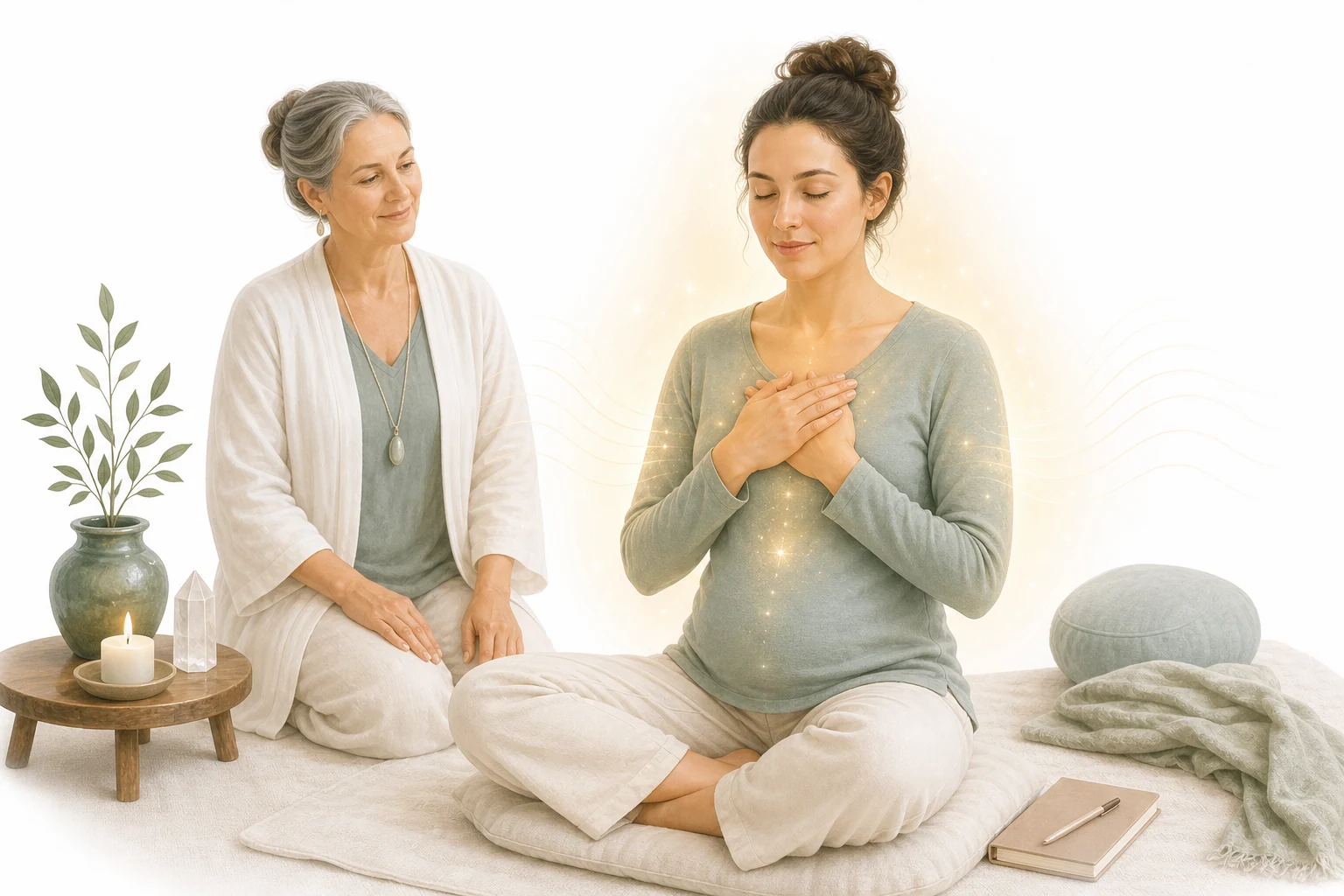
In Reiki language, a trapped emotion usually means an old feeling that has not been fully processed. During a session, the quiet setting, gentle attention, and permission to rest can make those feelings easier to notice.
That does not prove Reiki is pulling emotions out of the body. A balanced explanation is simpler: Reiki may help some people relax enough that grief, stress, or tenderness comes forward.
If the emotions are intense, traumatic, or disruptive, Reiki should be supportive care only. A licensed mental health professional is the right person for trauma treatment and crisis support.
What Reiki practitioners usually mean by emotional release
Practitioners often describe emotional release as stored stress, grief, fear, or sadness moving through the system after energy begins to settle.
A grounded view is that relaxation, focused attention, and a safe session environment can make existing emotions more noticeable.
Do not treat emotional release as proof that a practitioner has diagnosed your trauma or removed a specific emotion.
What to do if emotions come up after Reiki
Slow down
Give yourself a quiet evening if you feel tender or tired.
Write briefly
Journal what came up without forcing an interpretation.
Ground your body
Eat, hydrate, walk, stretch, or do something ordinary and steady.
Get support
Contact a therapist, doctor, or crisis service if emotions feel unsafe or overwhelming.
Myths about Reiki and trapped emotions
Crying means the session worked.
Crying can be meaningful, but a quiet session can be useful too.
A Reiki practitioner can identify every trapped emotion.
Practitioners may share impressions, but they should not diagnose your emotional history.
Emotional release should feel dramatic.
For many people it is subtle: a softer mood, a good sleep, or a small shift in perspective.
Key takeaways
The shortest useful version of this page.
Reiki may coincide with emotional release, especially when the body relaxes.
Emotional release is not guaranteed and does not need to be dramatic.
Use professional mental health care for trauma, crisis, or persistent distress.
Frequently asked questions
Is crying after Reiki normal?
Yes, crying can happen after Reiki. It may reflect relaxation, grief, relief, or emotional overwhelm. Rest and seek support if it feels too intense.
Can Reiki remove trauma from the body?
Reiki should not be presented as trauma treatment. It may feel supportive, but trauma care belongs with qualified mental health professionals.
What if I feel worse after emotional release?
Pause Reiki, ground yourself, and talk with a trusted professional if the feelings are strong, persistent, or unsafe.